
- All
- Product Name
- Product Keyword
- Product Model
- Product Summary
- Product Description
- Multi Field Search
Views: 0 Author: Site Editor Publish Time: 2026-09-03 Origin: Site


Miscalculating iron capacity in commercial environments creates hidden expenses. Undersized units cause severe workflow bottlenecks. Operators spend valuable time waiting for equipment to reheat. Conversely, over-engineered systems waste upfront capital and daily electrical energy. You need the right fit.
People often mistake capacity for simple water tank volume. However, true capacity involves much more. It includes heating wattage, sustained steam output, and thermal recovery time. A large tank means nothing if the soleplate cools too quickly during use.
This article provides a practical evaluation framework. It helps you align your project scale to the correct equipment. Whether you run a boutique tailoring studio or a massive industrial laundry facility, you must match your operational demands to precise hardware. We will show you exactly how to do it.
Before purchasing equipment, you must frame your business problem accurately. Buying an iron based purely on aesthetics or brand recognition leads to operational failures. You need to establish baseline technical criteria. These criteria will dictate how well the tool handles your specific daily workload.
Integrated water tanks serve intermittent use perfectly. They keep the unit compact and highly portable. However, integrated tanks require frequent refilling. They also add physical weight to the handpiece. For continuous industrial use, you must look at external systems. Gravity-feed setups suspend water above the workstation. Pressurized boiler systems generate steam externally and pipe it directly to the handpiece. These systems remove water weight from the operator's hand. They also allow hours of uninterrupted pressing.
Wattage directly dictates thermal performance. A 1000W element behaves very differently than a 2000W element. Wattage determines how fast the iron recovers its target temperature after releasing a heavy steam burst. Slow recovery causes water to spit from the soleplate. It spots fabrics and ruins delicate garments. However, higher wattage does not automatically equal better performance for every facility. You must consider your electrical grid constraints. Plugging multiple 2000W units into standard 15-amp circuits will trip breakers constantly. You must match equipment power to your facility infrastructure.
Steam output metrics often confuse buyers. You must understand the difference between continuous steam output and steam shock. Continuous steam is measured in grams per minute (g/min). It shows how much moisture the unit delivers steadily. Steam shock measures a brief, intense burst used for stubborn creases. When evaluating electric steam iron specifications, tie these metrics to your fabric types. Heavy denim requires high continuous steam. Lightweight silks need precise temperature control rather than maximum moisture. Processing speed relies heavily on getting this balance right.
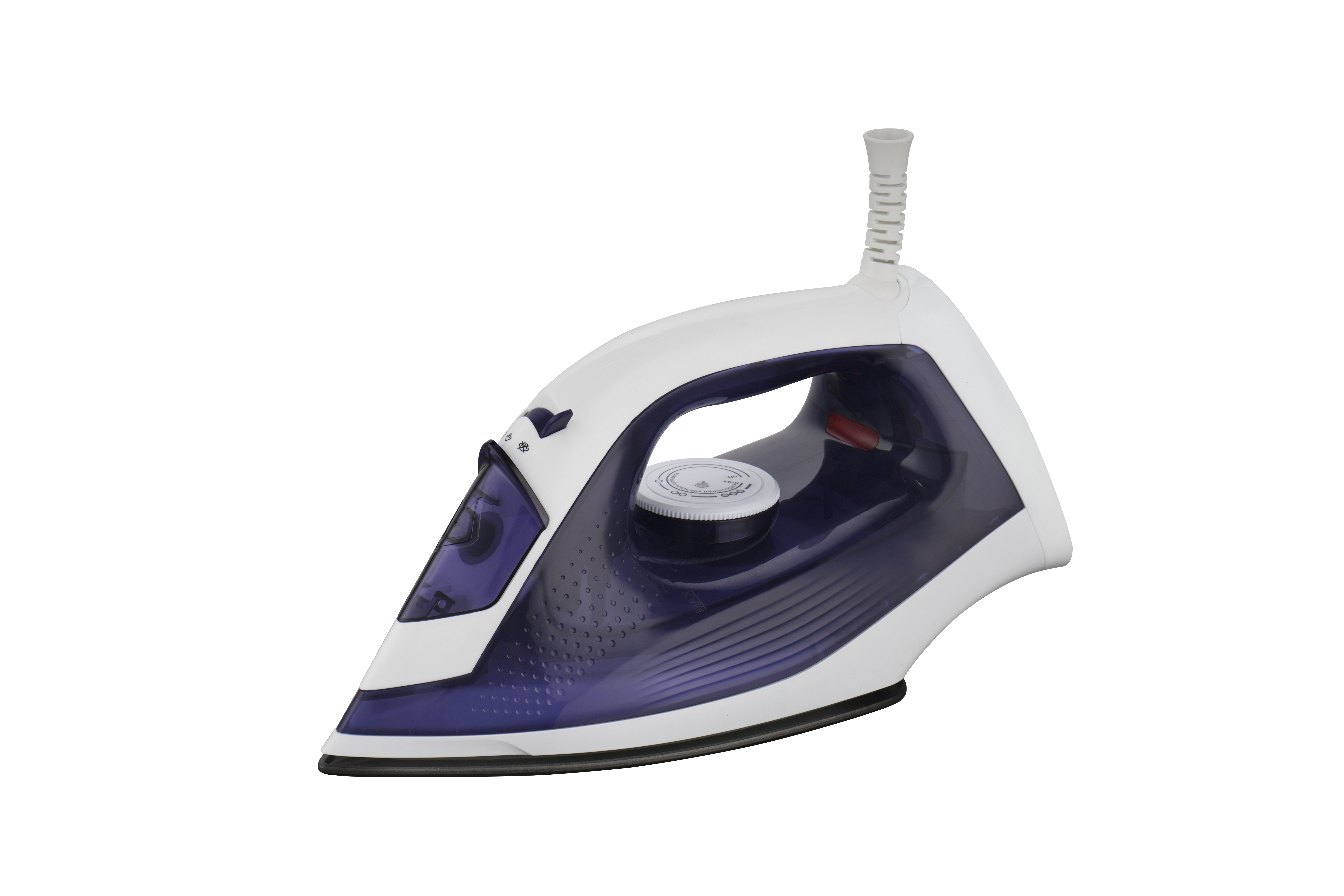
Smaller-scale projects demand precision over brute force. This solution category fits businesses that process garments in smaller batches. They need versatile tools capable of handling varied tasks throughout a single day.
The primary target use cases include custom tailoring shops, independent fashion designers, and quilting studios. Low-volume hospitality businesses, like boutique bed and breakfasts, also fall into this category. These environments do not press hundreds of identical garments consecutively. Instead, they handle unique items requiring careful attention. They need equipment that adapts quickly to changing fabrics.
Core requirements for this tier revolve around maneuverability. Lightweight ergonomics allow operators to perform detailed pressing on complex garment seams. Rapid initial heat-up times are crucial. A designer might turn the iron on and off a dozen times a day. Precise soleplate temperature control prevents accidental scorching on delicate custom pieces. For these users, agility matters more than massive steam volume.
Pushing prosumer equipment too far introduces serious risks. Component burnout happens frequently when a standard electric steam iron runs constantly. Internal thermostats and plastic housing parts degrade quickly under 8-hour continuous operation. These units simply lack the internal shielding necessary for industrial duty cycles.
You face a specific cost-to-benefit reality here. Prosumer models offer much lower initial capital expenditure (CAPEX). They are cheap to buy and easy to install. However, they carry higher replacement turnover rates. If your usage scales unexpectedly, you will replace these units every few months. This cycle drains equipment budgets rapidly over time.
When operations scale up, equipment requirements change entirely. High-volume environments cannot tolerate delays. They need maximum output, supreme durability, and consistent performance across multiple daily shifts. This solution category addresses heavy operational loads directly.
Large-scale garment manufacturing facilities dominate this use case. Commercial dry cleaners and heavy-duty upholstery shops also require this capacity tier. These businesses process massive volumes of textiles daily. They tackle thick materials like canvas, heavy denim, and multi-layered wool.
Core requirements shift away from integrated water tanks. These facilities rely on gravity-fed water lines or independent high-pressure boilers. They need high, sustained continuous steam. Heavy textiles require deep steam penetration to relax fibers quickly. Without high pressure, operators must press the same seam multiple times. This wastes labor and slows down the entire production line.
Industrial ergonomics often surprise new buyers. Commercial irons are significantly heavier by design. You might think a heavier tool causes more fatigue. The opposite is actually true. The weight of the iron does the physical pressing. The operator simply guides the tool across the fabric. A heavy base eliminates the need to push down manually. This drastically reduces shoulder and wrist fatigue over a long 8-hour shift.
Upgrading to this capacity tier impacts your facility infrastructure heavily. You cannot simply plug these systems into a standard wall outlet. They necessitate dedicated electrical circuits. Many require 20-amp or even three-phase power. You also need specialized pressing boards equipped with vacuum extraction. Vacuum boards pull steam completely through the fabric, setting the crease instantly. Finally, overhead suspension balancers keep power cords and steam hoses safely out of the operator's way.
Technical specifications only tell half the story. You must evaluate how those features translate to daily outcomes. Scalability and risk mitigation depend on the physical materials and safety certifications of your chosen equipment.
Soleplate metallurgy dictates performance and longevity. You must evaluate materials based on glide friction and scratch resistance in high-throughput environments. Different materials serve different purposes.
Comparison of Soleplate Materials
| Material Type | Glide Friction | Durability & Scratch Resistance | Best Use Case |
|---|---|---|---|
| Anodized Aluminum | Moderate | High (Resists dents well) | Industrial heavy fabrics |
| Stainless Steel | Very Low (Smooth glide) | High (Resists scratching) | High-volume commercial laundry |
| Ceramic Coating | Extremely Low | Low (Can chip if dropped) | Boutique delicate garments |
Maintenance realities often revolve around calcification. Hard water destroys heating elements quickly. You must address this operational reality before purchasing. Some units feature built-in anti-calc valves. These mechanisms collect mineral deposits for easy flushing. Other systems require strict distilled water protocols. If you choose a system requiring distilled water, you must secure a steady supply. Ignoring descaling schedules leads directly to clogged steam vents and eventual equipment failure.
Safety and compliance are non-negotiable for commercial insurance. Mandatory safety features protect your facility. Look for auto-shutoff mechanisms that trigger when the unit remains motionless. Thermal fuses prevent catastrophic overheating if the primary thermostat fails. Furthermore, localized electrical certifications prove the equipment meets safety standards. CE marks are required for Europe. UL listing is standard for the United States. RoHS compliance ensures the product contains no hazardous materials. Operating uncertified equipment can void your commercial property insurance in the event of a fire.
Choosing the right hardware is only the first step. You must secure a reliable supply chain partner. Equipment breaks down eventually. Your supplier's response time dictates your operational downtime.
After-sales support separates excellent vendors from poor ones. A reputable electric steam iron supplier must offer a clear Service Level Agreement (SLA). Wear-and-tear components like thermostats, silicone hoses, and soleplate shoes fail regularly in commercial settings. You need guaranteed access to these replacement parts. If a vendor cannot ship spare parts within 48 hours, they will bottleneck your production line. Always verify their domestic parts inventory before signing a contract.
You must train your purchasing team to read warranty nuances carefully. Warranties feature strict fine print. Many manufacturers offer generous "consumer use" warranties. However, these guarantees void immediately upon commercial application. Running a consumer unit in a dry-cleaning shop violates the terms. Look for true industrial guarantees. Commercial warranties cover continuous daily operation and reflect the manufacturer's confidence in their heavy-duty components.
Pilot testing minimizes rollout risks. Never buy fifty units blind. Recommend requesting a demo unit first. Alternatively, start with a small-batch order. This validates the steam iron's performance against your actual project fabrics. It proves the equipment handles your workflow pace before you commit to a bulk rollout.
The best capacity perfectly bridges the gap between your daily production volume and your facility's infrastructure. There is no single universal solution. You must map your specific garment types, daily pressing hours, and electrical capabilities to the hardware specifications. Prosumer models offer agility for boutiques. Industrial boilers provide relentless power for mass production.
Never buy solely on initial price tags. Downtime costs exponentially more than upgrading to the correct capacity tier upfront. Cheaping out on equipment leads to burned-out thermostats, ruined garments, and idle operators. Invest in durability and reliable supplier support to protect your daily output.
Take action today by auditing your current setup. Calculate your daily pressing hours. Check the amperage on your dedicated electrical circuits. Once you know your exact constraints, request technical spec sheets from your shortlisted suppliers. Match your data to their hardware, and you will secure a highly efficient, bottleneck-free pressing station.
A: Generally no, unless used strictly for lightweight, intermittent detail pressing. Continuous commercial work usually requires 1500W+ for adequate heat recovery. Lower wattage units will lose temperature quickly during heavy steam bursts, causing water spotting and slowing down production speeds significantly.
A: Gravity feed systems suspend a large water reservoir above the workstation, allowing for prolonged continuous steam without a built-in boiler. This bridges the gap between prosumer and full industrial setups. It removes the heavy water weight from the handpiece, reducing operator fatigue during long shifts.
A: Spitting is typically caused by pressing the steam button before the iron fully recovers its target temperature, or by scale buildup. Ensure your capacity matches your workflow pace and enforce a strict descaling schedule. Using proper water filtration also extends the lifespan of the internal heating elements.


