
- All
- Product Name
- Product Keyword
- Product Model
- Product Summary
- Product Description
- Multi Field Search
Views: 0 Author: Site Editor Publish Time: 2026-07-31 Origin: Site


You have likely decided on ceramic for your next pressing tool. Its superior glide and exceptional heat distribution make it an attractive choice. However, the market overflows with products of wildly varying quality. Treating all ceramic soleplates as identical is a critical mistake. It often leads to premature coating degradation. You might also suffer from inadequate steam pressure or disrupted operational workflows. We need to move past standard marketing claims and flashy packaging. This guide delivers a hard-metric evaluation framework. We will help you separate basic consumer models from high-performance tools based on verifiable data. You will learn exactly how to parse technical specifications. This knowledge ensures you select a unit perfectly matched to your specific fabric handling needs.
Establishing baseline technical requirements guarantees reliable performance on the ironing board. When you review ceramic soleplate steam iron specifications, you must focus entirely on actionable metrics. Superficial designs do not remove deep wrinkles.
The optimal power range sits tightly between 1500W and 2400W. Wattage directly dictates the heating element's speed. A high-quality model should reach peak operating temperature in under 60 seconds. High wattage also ensures rapid thermal recovery during heavy usage. When you iron damp linens, the soleplate rapidly loses thermal energy. Sufficient power quickly restores this lost temperature. This rapid recovery prevents the tool from dragging or causing water spots.
Moisture relaxes textile fibers; heat merely sets them. You must evaluate two distinct steam measurements to judge efficiency.
Finding the perfect balance always requires a practical trade-off. Heavier models naturally compress thick fabrics. You apply significantly less downward physical pressure as a result. Conversely, lighter units drastically reduce wrist fatigue over long afternoon sessions. The ideal weight range typically falls between 2.5 and 3.5 pounds. This sweet spot provides enough heft for crisp pressing while keeping the appliance maneuverable.
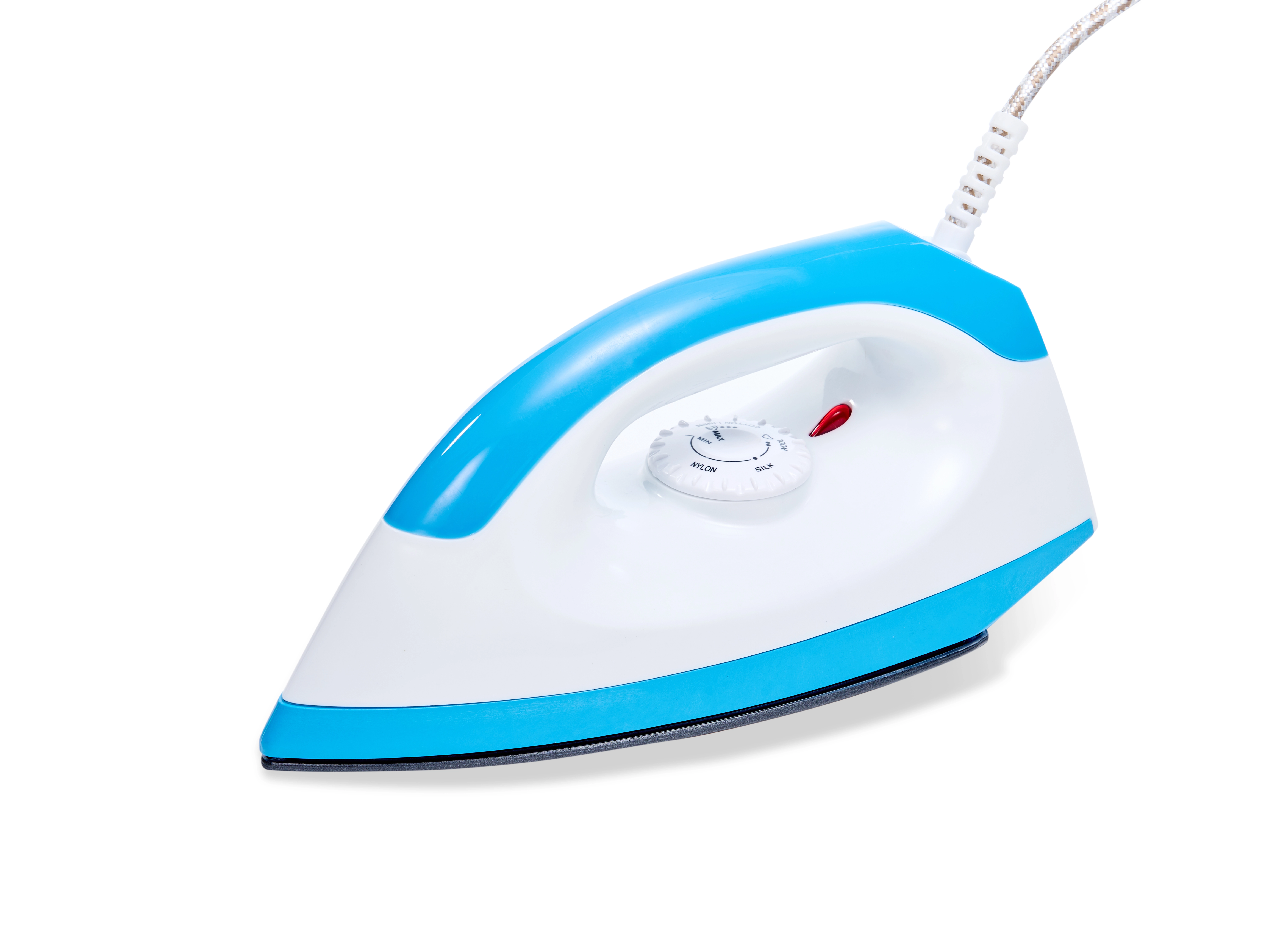
Buyers frequently fall for cheap, easily scratched coatings. We must demystify these materials to protect your garment investments. A true ceramic soleplate steam iron rarely consists of solid poured ceramic. Manufacturers utilize an aluminum or stainless steel core instead. They then apply a specialized ceramic composite finish over this highly conductive metal base.
True ceramic drastically reduces static electricity. It lowers the friction coefficient against delicate, synthetic textiles. You will notice this smooth glide instantly on polyester blends and pure silks. It prevents the fabric from bunching up or wrinkling further during quick backward passes. This slick surface significantly reduces operator fatigue during extended processing times.
Cheap coatings pose a massive risk to delicate clothing. They easily peel or chip when they strike zippers, metal rivets, or plastic buttons. These newly exposed metal core edges snag garments and ruin delicate weaves instantly. You should actively look for multi-layer applications. Titanium-infused ceramic coatings offer exceptional scratch resistance. They bond tightly to the base metal through advanced sol-gel processes, ensuring long-term structural integrity.
Different textiles require fundamentally different pressing approaches. A ceramic surface interacts uniquely across various common fabrics. It successfully prevents scorching on fragile synthetics at lower temperatures. However, it absolutely requires high-temperature steam assistance for thick, stubborn linens.
| Fabric Type | Temperature Setting | Ceramic Interaction & Steam Need |
|---|---|---|
| Synthetics (Polyester/Nylon) | Low | High glide prevents sticking; no steam needed. |
| Silk | Low-Medium | Anti-static surface protects fragile fibers; use dry heat. |
| Cotton | Medium-High | Requires continuous steam (30-50 g/min) for crisp edges. |
| Heavy Linen | High | Needs maximum steam burst to penetrate dense, stiff fibers. |
Specific operational environments completely dictate your equipment needs. You cannot accurately evaluate hardware without first defining the end-user scenario. What works for a casual home user frustrates a professional tailor.
This demanding niche requires highly unique specifications. Quilters desperately need precision soleplate tips to navigate incredibly tight seams. Sustained high heat remains critical for pressing thick block layers. Many quilting communities express immense frustration over mandatory auto-shutoff features. Units turning off during frequent fabric repositioning disrupt the creative workflow. You must seek niche models allowing you to bypass these safety timers temporarily.
Heavy-duty environments require uncompromising, robust engineering. A commercial laundries ceramic soleplate steam iron must withstand relentless daily abuse. Operators run these tools continuously through long shifts. Focus heavily on three main structural upgrades:
Upgrading a standard home unit involves focusing heavily on user-friendly conveniences. Cordless options provide excellent maneuverability for quick, casual pressing tasks. Standard auto-shutoff mechanisms ensure total peace of mind for busy households. A moderate tank size keeps the appliance comfortably lightweight while handling weekly household laundry loads efficiently.
Appliance brands often overload packaging with proprietary buzzwords. We must apply a highly skeptical, evidence-based lens to these common features. Many loudly advertised functions offer zero practical benefit.
Hard water destroys internal steam mechanisms rapidly. If you reside in a hard water region, aggressive calcium mitigation is non-negotiable. Do not confuse basic self-clean buttons with true anti-calc systems. A simple button merely flushes loose minerals out temporarily. Integrated resin cartridges or dedicated anti-scale valves actively soften the incoming water. They trap calcium ions before they calcify permanently inside the delicate steam chamber.
This internal specification remains absolutely critical for garment safety. Internal bimetallic mechanisms must cut off water flow at lower temperatures. If you press silk on a low setting, the soleplate cannot vaporize incoming water. Without anti-drip valves, the unit spits boiling droplets onto the board. This malfunction leaves permanent water stains on delicate luxury fabrics.
Standard safety specs usually trigger shutoff after 8 minutes upright or 30 seconds horizontal. This essential feature protects homes from devastating fire hazards. It prevents scorching if you leave the room unexpectedly. However, specialized tailoring tasks require uninterrupted, continuous heat. You should explicitly seek out toggle options if your daily work involves constant garment pinning or complex piecing.
Bulk buyers and B2B professionals face entirely different procurement challenges. Supply chain trustworthiness always trumps flashy retail packaging. You must audit manufacturing partners rigorously.
Negotiating bulk factory orders requires strict specification control. When you order a custom ceramic soleplate steam iron, focus closely on functional hardware adaptations. You may need customized wattage limits to carefully accommodate specific regional electrical grids. Discuss proprietary soleplate hole patterns designed for unique industrial fabric applications. Ensure the factory provides localized plug standards to match your diverse target markets perfectly.
Regulatory marks remain completely non-negotiable for commercial imports. They actively mitigate severe electrical and factory fire risks. You must demand documentation proving UL, CE, RoHS, or ETL compliance. Verify these certificates through official third-party testing databases. Falsified safety marks pose massive liability issues for your brand reputation.
Assessing your manufacturing partner requires extensive due diligence. You must thoroughly audit any potential ceramic soleplate steam iron supplier before signing binding contracts. Check their historical production defect rates closely. Review their warranty terms carefully for hidden loopholes. Most importantly, confirm the guaranteed availability of long-term replacement parts. Items like rubber water tank seals and internal thermostat dials degrade inevitably over time. A reliable supplier maintains an accessible, global inventory of these critical consumable components.
Evaluating your next pressing tool requires prioritizing verifiable performance data over superficial aesthetics. High-spec models safeguard expensive garments while significantly accelerating daily operational workflows. Base your final decision on raw wattage, consistent vapor delivery, and genuine multi-layer coating integrity.
A: Standard ceramic coatings are inherently more prone to chipping than solid stainless steel. A sharp zipper or metal button can easily compromise a thin layer. However, high-end multi-layer finishes heavily mitigate this specific risk. Titanium-infused ceramics offer exceptional durability, bridging the gap beautifully between smooth glide and rugged scratch resistance.
A: Never use harsh abrasives or steel wool on the coated surface. Turn the appliance to a warm setting to soften the stuck residue gently. Scrape away the bulk material carefully using a wooden spatula. Afterward, apply a specialized non-abrasive cleaning paste and wipe it clean using a damp microfiber cloth.
A: Leaking typically indicates user error rather than mechanical failure. The internal anti-drip valve engages when the temperature is too low to vaporize moisture. If you press the steam trigger before the unit reaches full heat, liquid water bypasses the chamber entirely. Always wait patiently for the indicator light.
A: It depends entirely on the internal anti-calc specifications. Models featuring integrated resin cartridges or advanced anti-scale valves handle standard tap water perfectly. If the appliance lacks these dedicated systems, hard tap water will quickly clog the micro-holes. In those cases, you must use distilled or demineralized water exclusively.


