
- All
- Product Name
- Product Keyword
- Product Model
- Product Summary
- Product Description
- Multi Field Search
Views: 0 Author: Site Editor Publish Time: 2026-08-26 Origin: Site


Sourcing garment care equipment for retail, hospitality, or commercial resale requires moving beyond basic marketing claims. You must look past glossy brochures to find truly robust hardware. Procuring units lacking adequate specifications inevitably leads to high inventory returns and severe workflow bottlenecks. Defective units also ruin high-value fabrics and create serious safety hazards, such as leaking boiling water onto operators. To evaluate a garment steamer effectively, buyers must align technical capabilities directly with their specific operational environments. Features like steam output and calc-resistance matter immensely in daily commercial use. A machine meant for a busy hotel differs vastly from one built for occasional travel. We provide a definitive framework for evaluating technical specs, hardware durability, and supplier credibility. You will learn how to parse specification sheets accurately and ask manufacturers the right questions. This approach ensures you make a highly profitable and reliable sourcing decision every single time.
Procurement managers must first define the end-use environment carefully. You cannot evaluate a product properly without understanding its intended context. Setting clear parameters prevents over-specifying expensive models for simple tasks. It also avoids under-equipping demanding commercial floors. Defining the category remains your first critical step.
Travel markets and boutique shops often prefer compact models. They work wonderfully for direct-to-consumer dropshipping businesses and domestic consumers. These smaller units handle low-volume touch-ups effortlessly. Shoppers appreciate their lightweight profile and simple storage requirements.
However, handheld devices present strict operational limitations in commercial settings. They feature incredibly small water tanks. Most consumer models hold under 300ml of liquid. This limited capacity restricts your continuous runtime strictly to 10 or 15 minutes. Employees find them surprisingly heavy to operate continuously. The in-hand water weight causes severe wrist fatigue during long shifts. Frequent refilling also destroys labor productivity on busy retail floors.
High-volume environments demand incredibly robust solutions. Apparel manufacturing floors and high-end retail displays need serious power. Hospitality sectors rely heavily on continuous, daily operation. Sourcing a vertical clothes steamer for professional garment care solves these intense demands perfectly.
Floor-standing designs provide massive ergonomic and operational advantages. They support large base tanks ranging from one to three liters. This massive capacity guarantees over 60 minutes of uninterrupted steaming time. Operators handle extremely lightweight nozzles instead of carrying heavy water tanks. This separated design drastically reduces user fatigue and repetitive strain injuries. Furthermore, built-in telescopic hanger systems streamline the entire workflow. Garment handlers can process large inventory batches much faster and more efficiently.
Translating technical numbers into operational outcomes is crucial for procurement teams. You must review garment steamer specifications carefully before signing any contracts. Buyers frequently misinterpret these technical metrics. Let us clarify the most critical evaluation dimensions to guide your sourcing process.
You should look for 20 to 30 g/min for standard consumer use. Commercial buyers must target 35 to 50+ g/min minimum. This specific metric defines the actual wrinkle-removal power of the machine. It remains the most important number on the specification sheet.
Higher continuous output pushes steam through thicker fabrics rapidly. Denim, canvas, and heavy wool require intense steam penetration to relax the fibers. High output reduces processing time per garment significantly. Fast processing increases daily operational throughput for your staff. Low steam output forces users to pass over the same wrinkle repeatedly. This wastes valuable time and increases labor costs unnecessarily.
Standard handheld units usually operate between 1000W and 1500W. Vertical models typically draw 1500W to 2000W or more. Electrical safety limits in older buildings often cap at 1800W per outlet.
Many buyers falsely believe higher wattage equals better steaming performance. This assumption is completely incorrect. High wattage simply means the internal heating element reaches boiling temperature faster. You generally want a pre-heating target under 45 seconds. Do not overpay for excessive wattage unless split-second heat-up speed is strictly essential. Instead, focus entirely on the steam output rate discussed above.
Larger tanks naturally increase the physical footprint of the unit. However, they drastically decrease labor time spent refilling water. You must balance storage space limitations against employee productivity goals.
Always require transparent and fully removable water tanks. Operators must monitor internal water levels easily from a distance. Removable tanks allow quick and safe sink-filling. Fixed tanks create unnecessary spills, delays, and potential electrical hazards near water sources. Ensure the tank features a wide opening to accommodate fast refilling under standard faucets.
| Specification Feature | Portable / Handheld | Professional Vertical | Key Business Impact |
|---|---|---|---|
| Steam Output Rate | 15 - 25 g/min | 35 - 50+ g/min | Determines speed of wrinkle removal and fabric penetration. |
| Water Tank Capacity | 100ml - 300ml | 1000ml - 3000ml+ | Dictates continuous runtime and refill frequency. |
| Average Runtime | 10 - 15 minutes | 60 - 90 minutes | Impacts labor efficiency during high-volume processing. |
| Pre-Heating Speed | 15 - 30 seconds | 40 - 60 seconds | Affects immediate readiness for quick retail touch-ups. |
Addressing common user complaints early prevents massive downstream issues. Consumer feedback frequently mentions leaking, spitting, and scaling problems. Professional sourcing requires strict risk mitigation against these exact hardware failures. The build quality dictates the product lifespan entirely.
Plastic nozzles are cheap but prone to warping under intense heat. Stainless steel offers excellent durability and retains heat efficiently. Ceramic options glide exceptionally smoothly across garments. Ceramic actively prevents frustrating fabric snagging on delicate items.
We highly recommend demanding metal or ceramic soleplates for any professional inventory. Basic plastic simply fails in commercial environments. High temperatures degrade cheap plastics rapidly over time. Degraded plastic can scratch expensive silk or leave permanent marks on dark synthetic fabrics.
Hard water creates severe calcium buildup inside internal heating chambers. This buildup causes units to spit white mineral flakes onto clean clothes. Eventually, the heavy calcification clogs the machine entirely and destroys the heating element.
Source models equipped with integrated resin filters to soften intake water. Self-cleaning flush valves also extend product life significantly. Easy-access calc-collectors simplify routine maintenance for your staff. Regular descaling prevents catastrophic hardware failures. If you source for hard-water regions, advanced anti-calc features become absolutely mandatory.
Electronic pump systems provide superior safety and performance. They allow users to operate units at various angles seamlessly. Gravity-fed boilers often leak boiling water when tilted. Avoid gravity systems entirely for flexible retail environments to protect your staff.
Dry-boil protection remains an absolutely mandatory safety feature. Auto-shutoff features ensure commercial safety compliance perfectly. The machine must power down automatically if the tank runs dry. Unattended heating elements cause fires and destroy business reputations quickly. Verify these safety switches during your sample testing phase.
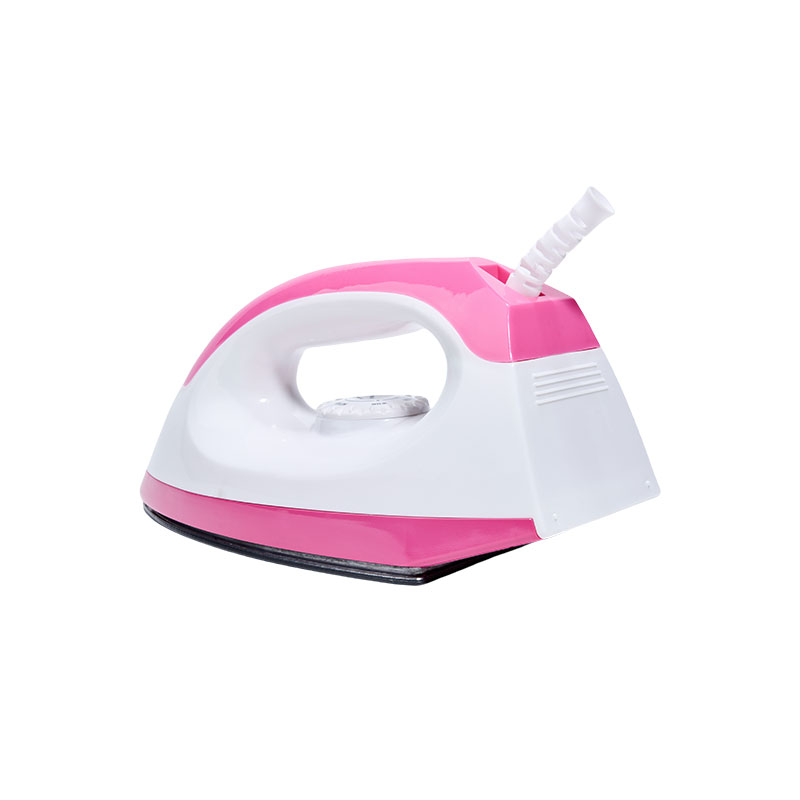
Procurement teams must clarify specific use cases before purchasing. You need to know exactly when a steamer is sufficient. Sometimes a traditional iron is strictly required for the garments you process.
Steamer advantages are numerous in the fashion retail space. They safely process synthetics, delicate silk, and heavily embellished fabrics. The hot vapor relaxes fibers naturally without physical crushing. They remove casual wrinkles rapidly while items remain on the hanger. Staff can also use them to sanitize retail upholstery quickly between customers.
However, you sometimes need a steam iron for specific garments. Irons create incredibly sharp, permanent creases. Pleats, rigid dress shirt collars, and crisp cuffs require heavy pressure. Pressing thick linens also demands physical compression and extreme direct heat. Steamers simply relax fibers. Irons compress fibers forcefully to shape the garment.
Determine if your buyers need a standalone steamer for casual wear. Some commercial clients prefer a 2-in-1 hybrid board system instead. A hybrid unit provides maximum flexibility for both pressing and steaming. Follow these decision-making steps to clarify your procurement needs:
A phenomenal product on paper means nothing without reliable manufacturing execution. Your chosen garment steamer supplier must deliver consistent batches every time. Strict vetting prevents disastrous supply chain failures. You must evaluate the factory just as rigorously as the appliance.
Ensure the factory provides verifiable electrical and safety certifications immediately. You need UL or ETL approvals for North American markets. European markets require CE and RoHS compliance strictly. Never accept self-certified, blurry, or outdated testing documents. Always verify the certificate numbers directly with the issuing laboratory database. Selling non-compliant electrical goods exposes your business to massive liability.
Ask your manufacturing partner for recent Acceptable Quality Limit (AQL) reports. Focus heavily on continuous pump lifecycle testing results. Boiler pressure tests ensure long-term structural integrity under thermal stress. You must understand their internal testing protocols thoroughly before placing orders. High defect rates crush your profit margins through costly customer returns. Demand an AQL standard of at least 2.5 for major defects.
Commercial units always experience significant wear and tear over months of use. Steam hoses crack, and internal rubber seals degrade naturally over time. Ensure the factory offers modular replacement parts easily. You should not have to replace a full unit just because a nozzle breaks. Quick access to spare parts minimizes expensive operational downtime for your clients.
Your shortlisting logic must prioritize practical performance metrics over marketing jargon. Emphasize grams per minute output over arbitrary wattage claims. Demand premium soleplate materials to protect delicate inventory from heat damage. Understanding these specifications ensures your procurement budget generates actual operational value.
Request a sample unit from your shortlisted suppliers immediately. Conduct rigorous in-house burn-in tests to verify safety limits. Run extensive fabric trials across multiple material types to test penetration power. Execute hard-water stress tests to evaluate the anti-calc system's true effectiveness. Always validate physical performance before committing to a bulk purchase order.
A: A minimum output of 35g/min is essential for commercial environments. This rate efficiently penetrates thick fabrics like denim and heavy wool. Ideally, you should look for units offering adjustable steam settings. Adjustable controls allow operators to switch safely between delicate silks and heavy-duty garments without causing damage.
A: While distilled water is optimal for preventing mineral buildup, it is not strictly necessary. High-quality commercial models feature advanced anti-calc specifications and built-in resin filters. These systems handle standard tap water effectively. You simply need to perform regular descaling maintenance to keep the internal boiler functioning perfectly.
A: No. Steamers and irons perform fundamentally different actions. Steamers relax fabric fibers gently to remove casual wrinkles. Irons utilize extreme heat and heavy physical compression to press fibers flat. You need an iron to create sharp creases on pleats, collars, and cuffs. The best choice depends entirely on your specific apparel type.


