
Views: 0 Author: Site Editor Publish Time: 2026-08-28 Origin: Site


For purchasing managers and discerning buyers, evaluating a handheld electric iron goes beyond wattage and aesthetic design. The fundamental materials dictate performance, lifespan, and safety. Selecting the wrong soleplate or housing material leads to premature wear, fabric damage, and poor heat retention. This ultimately increases replacement frequency and creates significant user friction. Buyers must understand the structural differences between consumer-grade and professional models. A seemingly minor plastic component can cause dangerous leaks under high steam pressure. Our goal here is straightforward. We want to provide an objective, evidence-based framework for evaluating the materials and build quality of these essential tools. You will learn how to analyze soleplates, internal boilers, and exterior polymers in detail. This guide ensures your sourcing or purchasing decision aligns perfectly with long-term usage requirements.
The soleplate is the only part touching the fabric. Material choice directly impacts glide efficiency, scratch resistance, and maintenance requirements. You must carefully match the soleplate material to the intended garment types and usage frequency. An improper pairing can ruin delicate fabrics or dramatically slow down the ironing process.
Stainless steel remains a heavy-duty favorite in the garment care industry. It consists of an iron alloy mixed with chromium. This creates a rust-resistant surface capable of surviving drops and heavy impact.
Best Practice: Use stainless steel for commercial environments where users primarily press uniforms, linens, and durable cotton shirts.
Ceramic plates utilize a metal base (usually aluminum) covered in a baked-on clay or silicone-ceramic composite. They offer a highly modernized ironing experience.
What to watch out for: When sourcing, request drop-test data from manufacturers to ensure the ceramic coating adheres strongly to the base metal.
Non-stick soleplates feature a Polytetrafluoroethylene (PTFE) coating over a basic metal plate. They represent the entry-level tier of garment care appliances.
Titanium and anodized aluminum represent the premium tier. Manufacturers treat these metals electrochemically to harden the surface.
To simplify your evaluation, review the comparison chart below.
| Material | Glide Efficiency | Durability | Best For |
|---|---|---|---|
| Stainless Steel | Moderate | Very High | Natural fibers, heavy cotton, linens |
| Ceramic | Excellent | Moderate (prone to chipping) | Delicate synthetics, static-prone garments |
| Non-Stick (PTFE) | Good (initially) | Low (easily scratched) | Budget applications, basic home use |
| Titanium | Excellent | High | Premium travel models, quick heating needs |
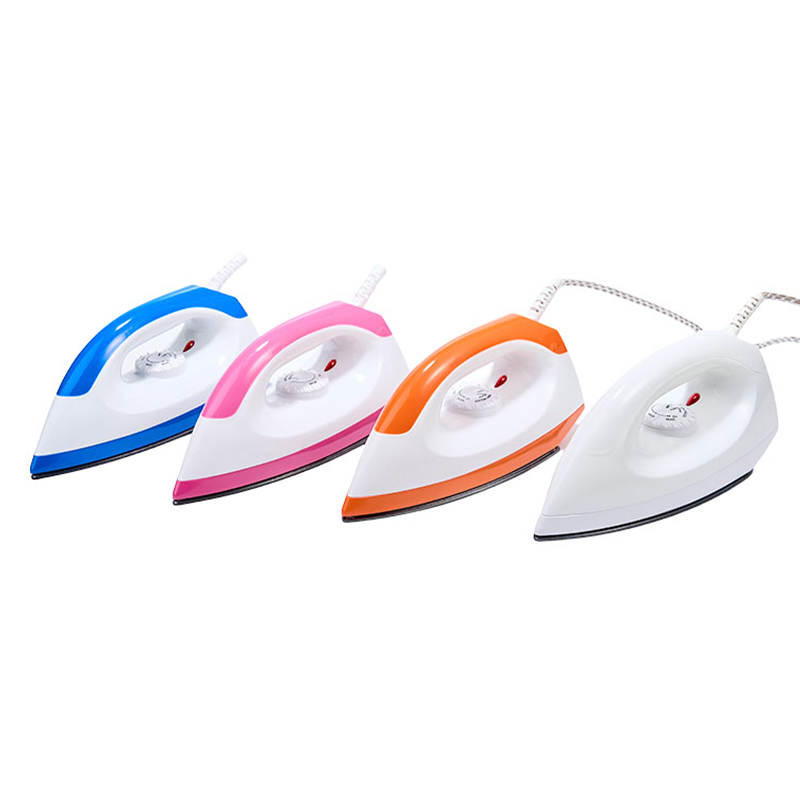
The exterior shell plays a critical role in user safety. The housing must withstand high internal temperatures up to 200°C. It must achieve this without warping or transferring heat to the user's hand. Using substandard plastics results in brittle casings that crack under minor stress.
Engineers primarily rely on advanced polymer blends to construct safe enclosures. Look for Polycarbonate (PC) or Acrylonitrile Butadiene Styrene (ABS) plastics. These materials offer high impact resistance and exceptional thermal stability. ABS is particularly favored because it maintains a lightweight profile while resisting discoloration from prolonged heat exposure.
Water tanks introduce unique material challenges. They must hold water safely while allowing users to monitor fluid levels visually. Manufacturers must use shatter-resistant, BPA-free plastics. Implementation reality often reveals flaws here. Poorly sealed seams in cheap plastics lead to micro-cracks. These inevitably leak under pressurized steam conditions.
To avoid failure, insist on ultrasonic welding for tank seams. This technique uses high-frequency acoustic vibrations to melt and fuse the plastics together seamlessly. It eliminates the need for chemical adhesives, which can degrade when exposed to hot water.
Ergonomics rely heavily on grip materials. Smooth plastic handles slip easily from sweaty hands during intensive tasks. High-quality devices incorporate silicone inserts or textured thermoplastic elastomers (TPE). These provide ergonomic, anti-slip handling. This feature is absolutely essential for vertical steaming, where users hold the device at awkward angles.
Looking at a spec sheet can feel overwhelming. True device performance relies heavily on internal materials hidden from view. Evaluating handheld electric iron specifications means understanding how heat and water move through the device.
The heating element is the engine of the appliance. You must compare aluminum versus copper or brass components. Budget models exclusively use aluminum. It is cheap and lightweight but cools down quickly when water hits it. Copper offers vastly faster heat transfer. Furthermore, brass and copper provide much better resistance to hard-water corrosion over time.
Steam capability distinguishes an average appliance from an exceptional one. You should evaluate the continuous steam rate, typically measured in grams per minute (g/min), alongside the steam burst capability. However, the evaluation dimension goes deeper than just numbers.
True performance relies on the internal boiler and pump materials. Stainless steel internal boilers resist calcification far better than standard aluminum chambers. When water boils inside an aluminum chamber, it pits the metal over time. This creates rough surfaces where calcium deposits quickly accumulate.
Tap water contains dissolved minerals like calcium and magnesium. These minerals spell disaster for steam vents. Anti-calc mechanisms are essential for longevity, especially in hard-water regions. Look for resin-based anti-scale filters. Alternatively, removable calc-collectors offer a mechanical way to flush out hardened mineral flakes. Neglecting this internal specification guarantees a clogged, spitting device within months.
The travel sector presents unique engineering challenges. This solution category framing requires strict compromises between material weight, footprint, and actual performance. Consumers expect hotel-quality pressing without sacrificing luggage space.
Building a reliable travel products handheld electric iron involves calculated material reductions. Engineers often utilize thinner aluminum soleplates to shed bulk. They combine this with collapsible or folding ABS handles. The goal is to reduce the total weight to under 1.5 lbs while rigorously maintaining structural integrity. You must ensure the hinge mechanisms utilize reinforced steel pins, as plastic hinges snap easily under pressure.
International travel demands flexibility. These models must feature dual-voltage selectors (110V/220V). Switching voltages safely requires robust internal materials. The switch mechanism and internal wiring must meet strict international travel safety standards. They must handle varying electrical currents without adding unnecessary bulk to the housing.
Travel models spend most of their time lying horizontally inside crammed luggage. Residual water can easily ruin surrounding garments if the tank seals fail. Look for specialized silicone gaskets and spring-loaded anti-drip valves. These materials maintain a watertight seal even when subjected to changing cabin pressures during flights. A standard rubber gasket will dry out and fail; medical-grade silicone remains pliable for years.
Finding an OEM or ODM partner requires looking past slick marketing brochures. You must audit their manufacturing controls and material sourcing directly. Relying on superficial claims often leads to receiving batches of defective, unsellable inventory.
A competent factory should adapt to your specific market needs. Assess their flexibility. Can the supplier adjust soleplate coatings based on your budget? For instance, you might want to upgrade from a basic Teflon plate to a premium ceramic composite. If you plan to order a custom handheld electric iron, inquire about their plastic injection molding limits. Can they accurately accommodate custom Pantone colors using high-grade ABS without color fading? True manufacturing partners own their molding equipment and can tweak material density on demand.
Safety certifications prove a manufacturer’s authoritativeness and trustworthiness. Never take a supplier's word at face value. Require verified proof of UL (Underwriters Laboratories) or ETL certifications for the North American market. For Europe, demand CE marking and RoHS compliance. RoHS is particularly vital because it restricts toxic materials like lead and cadmium in electrical components. Using a non-compliant handheld electric iron supplier risks heavy customs fines and mandatory product recalls.
Once you verify their paperwork, apply strict shortlisting logic.
The ideal garment care tool is a sum of thoughtfully chosen materials. Performance relies on stainless steel or ceramic for the soleplate. Safety depends on thermal-resistant ABS for the housing. Longevity requires corrosion-resistant metals internally.
To make the best choice, use a clear decision framework. Match the material directly to your use case. Prioritize lightweight titanium and durable PC plastics for travel models. Opt for heavy-duty stainless steel for frequent, professional use. Most importantly, demand strict material certifications when vetting any manufacturing partner.
As a next-step action, outline your specific usage requirements today. Decide if your priority is lightweight travel capability or premium home performance. Generate a detailed Spec Sheet highlighting your preferred soleplate, housing plastics, and internal metals before contacting suppliers or making a final bulk purchase.
A: Ceramic and titanium-coated soleplates offer the lowest friction. They glide effortlessly over synthetics, silk, and delicate blends. Compared to untreated stainless steel, ceramic eliminates static and prevents delicate fibers from snagging or melting under moderate heat.
A: Leaking usually results from a degraded silicone internal gasket or micro-cracks in inferior plastic water tanks. It also happens if you use the steam function before the internal heating element has reached the proper temperature to vaporize the water.
A: Yes. A qualified OEM/ODM supplier can customize the internal wiring, plug type (e.g., Type A, Type C, Type G), and voltage capabilities. However, requesting these customized electrical components often requires meeting a Minimum Order Quantity (MOQ).
A: Calcium and magnesium in hard water calcify on aluminum and brass heating elements. This mineral buildup clogs steam vents and reduces heat efficiency. Models featuring anti-calc resin filters or stainless-steel internal boilers successfully mitigate this risk.


