
- All
- Product Name
- Product Keyword
- Product Model
- Product Summary
- Product Description
- Multi Field Search
Views: 0 Author: Site Editor Publish Time: 2026-09-23 Origin: Site


Modern steam irons heavily market their effortless glide across rumpled shirts and thick trousers. Yet, the underlying soleplate materials dictate how long this smooth performance actually lasts. Buyers are often forced to choose between a ceramic model and a non-stick model without proper context. Many consumers do not realize these sleek surfaces are simply chemical coatings. Manufacturers apply them over a standard metal base, usually aluminum or stainless steel. Making the wrong choice often leads to snagged clothes, melted synthetics, and highly frustrating ironing sessions. We will objectively break down heat distribution, scratch resistance, fabric safety, and overall longevity. You will discover exactly how each material interacts with different textiles in your daily laundry routine. By the end of this guide, you can make a confident, final purchasing decision.
Consumers often misunderstand how iron soleplates are manufactured. Brands love to use fancy terminology to sell their products. We need to strip away this marketing jargon. You must understand the true chemical compositions of these tools. A detailed ceramic vs non-stick iron soleplate comparison reveals interesting manufacturing truths.
First, we must clarify the "ceramic" reality. A ceramic steam iron rarely uses a solid ceramic plate. Solid ceramic is simply too brittle and heavy for a handheld appliance. Instead, manufacturers use an aluminum or stainless steel core. They finish this core with a baked-on, silicone-based ceramic coating. This baking process bonds the ceramic particles to the metal. It creates a hardened, smooth surface.
Next, let us define the "non-stick" standard. When brands advertise a non-stick soleplate, they typically mean polytetrafluoroethylene. You likely know this chemical by its brand name, Teflon. Manufacturers spray this PTFE layer over an aluminum base plate.
Both materials aim to reduce friction across your garments. However, they achieve this goal through entirely different thermal properties. Ceramic relies on a hard, baked glaze to glide. Non-stick relies on a slick, synthetic polymer.
Common Mistake: Many buyers assume ceramic irons contain no metal. They drop the iron, expecting it to shatter like a dinner plate. While it will not shatter, harsh impacts can severely damage the thin ceramic coating.
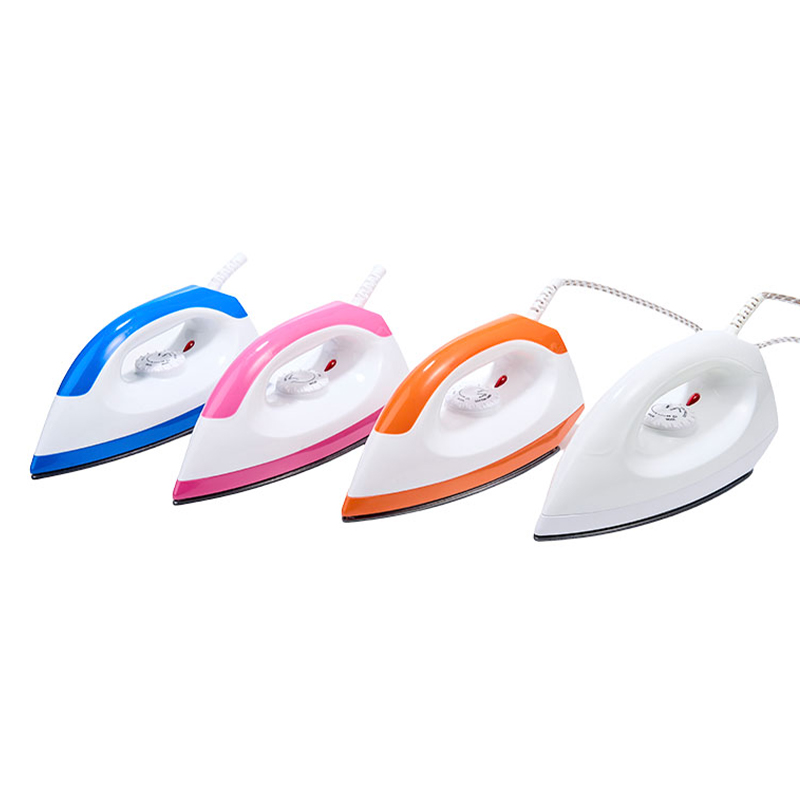
Performance ultimately comes down to how the soleplate interacts with your clothes. Heat and friction behave differently depending on the coating.
Ceramic coatings are naturally anti-static. This property is crucial for a smooth glide. Static electricity causes fabrics to bunch up behind the iron. Ceramic glides exceptionally well over natural fibers. You will notice incredible smoothness on cotton, linen, and wool. The iron moves without catching or dragging.
Non-stick coatings feel extremely smooth right out of the box. They excel on lower-heat settings. If you iron mostly synthetics like polyester or nylon, non-stick performs brilliantly. The slick PTFE polymer prevents these sensitive fabrics from clinging to the plate.
Here are three practical scenarios for fabric interaction:
Ceramic soleplates heat up slightly slower. However, they provide superior, even heat distribution across the entire plate. This material holds heat exceptionally well. It prevents dangerous "hot spots" that can scorch delicate fabrics. You get consistent steam and heat from the tip to the base.
A standard non-stick steam iron heats up rapidly. It relies heavily on the underlying metal core for heat distribution. Because PTFE is a poor heat conductor, these irons are more susceptible to uneven temperature zones. The center may be boiling hot while the edges remain lukewarm. This inconsistency can make removing stubborn wrinkles difficult.
Durability dictates how long your iron remains useful. Every iron faces daily hazards on the ironing board.
Evaluate the common "zipper and button" hazard. Accidental contact with metal hardware happens frequently. You slide the iron around a collar and scrape a hidden button. You press trousers and bump a metal zipper. How the soleplate handles this contact determines its lifespan.
Ceramic wear patterns are highly predictable. Ceramic is incredibly hard. It is highly resistant to minor scratching from metal hardware. You can glide over zippers with less fear of surface damage. However, ceramic is vulnerable to chipping. If you drop the iron or strike it hard against a table, the coating can flake off the metal core.
Non-stick wear patterns are entirely different. PTFE is a soft polymer. It is highly prone to micro-scratches over time. Contact with a metal zipper instantly leaves a visible mark. This creates a cascading failure effect. Once a non-stick coating scratches, it begins to peel. This peeling creates microscopic burrs. These burrs act like tiny hooks. They snag delicate fabrics and trap burnt starch.
Best Practices to Extend Soleplate Life:
Safety considerations now dominate the home appliance market. Consumers want non-toxic homes.
Address the growing consumer concern regarding PTFE and PFAS. These are commonly known as "forever chemicals." When heated to extreme temperatures, PTFE can release harmful fumes. As a trust anchor, we must note an important industry standard. Ironing temperatures rarely reach the high threshold required for toxic off-gassing. Cooking pans easily reach this dangerous temperature, but irons typically max out around 400°F (200°C). Still, health-conscious buyers prefer ceramic. They want to eliminate the chemical exposure risk entirely.
Fabric melting and sticking present another major safety hazard. Users occasionally iron an inappropriate fabric at high heat. Imagine accidentally pressing a nylon shirt on the linen setting. The fabric instantly melts onto the plate.
Ceramic is much easier to rescue in this scenario. You can clean it using targeted solvents or a baking soda paste. You can scrub the ceramic gently without destroying the surface. Conversely, a non-stick iron is often ruined. Scraping melted synthetic fibers off a standard non-stick plate usually strips the PTFE layer away. Once the coating is gone, the iron belongs in the trash.
Soleplate Material Comparison Summary
| Feature | Ceramic Coating | Non-Stick (PTFE) |
|---|---|---|
| Heat Distribution | Excellent and even | Prone to hot spots |
| Scratch Resistance | High (resists zippers) | Low (easily scratched) |
| Fabric Gliding | Best for natural fibers | Best for synthetics |
| Chemical Profile | Silicone-based (PFAS-free) | Contains PTFE/PFAS |
Your ideal iron depends entirely on your specific lifestyle and daily ironing habits. Use this framework to make the right choice.
What to watch out for: Beware of cheap ceramic irons. Low-end manufacturers apply paper-thin ceramic coatings. These thin layers wear away just as fast as cheap non-stick. Always look for trusted brands with extended warranties on their soleplates.
Choosing the right soleplate dramatically improves your garment care routine. A fresh non-stick iron feels unbeatable on day one. It glides over synthetics effortlessly. However, a ceramic iron maintains its glide, heat consistency, and safety profile much longer over its total lifespan. Ceramic resists scratches better and eliminates static on natural fabrics.
Before you click buy, take action on these next steps. First, check the specific heat output (wattage) of your shortlisted models. Higher wattage ensures faster recovery times. Second, examine the steam hole placement. Look for models with micro-holes spread evenly across the ceramic or non-stick surface, rather than just a few large vents at the top.
A: Rarely. Most professional or high-end models use ceramic, anodized aluminum, or polished stainless steel. These premium materials meet strict durability requirements. Cheap non-stick coatings degrade too quickly for professional garment care environments.
A: Both require non-abrasive cleaning. For ceramic, you can safely use a damp cloth with a mild baking soda paste. For non-stick, you must be extremely gentle. Use only a damp microfiber cloth or commercial iron fault cleaners to avoid scratching the delicate PTFE layer.
A: No. The overall weight depends on the underlying metal core, internal heating elements, and water tank capacity. Both ceramic and non-stick finishes are micron-thin coatings. The coating itself adds zero noticeable weight to the appliance.


