
- All
- Product Name
- Product Keyword
- Product Model
- Product Summary
- Product Description
- Multi Field Search
Views: 0 Author: Site Editor Publish Time: 2026-10-08 Origin: Site


Fabric care is fundamentally about time management and presentation standards. Buyers frequently invest in the wrong tool for their specific wardrobe requirements. Choosing incorrectly leads to daily frustration and damaged garments.
A common misconception assumes these two appliances are interchangeable. In reality, they utilize completely different mechanics—heat and pressure versus moisture and gravity. These distinct operational methods yield entirely different results on your clothing.
To determine whether a garment steamer vs steam iron is the right investment, you must evaluate your primary fabric types. We will explore how storage space and daily prep time dictate your ideal choice. You will learn exactly how to match the appliance to your household lifestyle.
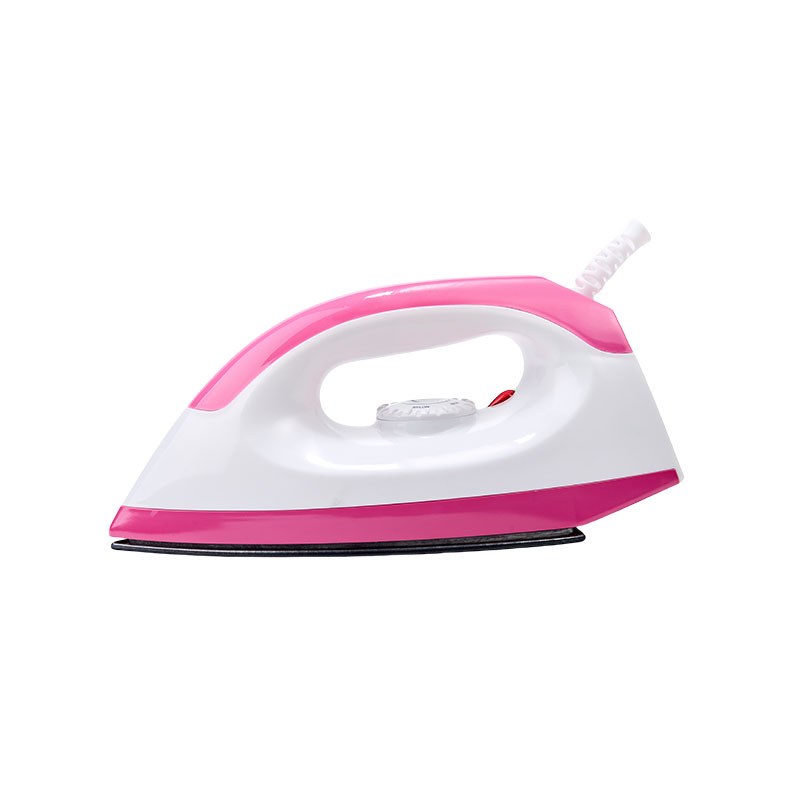
Traditional pressing relies on a heated metal soleplate. You compress fabric fibers against a hard surface. This surface is typically an ironing board. The appliance injects hot vapor into the textile layers. This sudden burst softens the internal bonds of the polymer molecules.
Once these molecular bonds soften, the heavy soleplate goes to work. It forces the fibers into a flat, crisp alignment. The intense downward physical pressure essentially reshapes the fabric architecture. This mechanical process is highly effective for thick, stubborn materials. It creates sharp lines that hold their shape for days. Professional tailors rely on this combination to construct garments properly.
Steaming takes a fundamentally gentler approach. The appliance channels continuous vapor through a specialized nozzle. You apply this vapor directly to the surface of the clothing. This method relaxes fabric fibers without applying any direct physical compression. You never smash the textile against a hard board.
Instead, the tool relies on the natural weight of the hanging garment. Gravity acts as the pressing force. As the hot vapor permeates the threads, they soften and expand. The downward pull of gravity smooths out wrinkles naturally. This technique preserves the three-dimensional shape of your clothing. It protects sensitive textures from crushing or shining. Textile conservators strongly prefer this non-invasive method for delicate items.
You must evaluate your closet before buying new equipment. We recommend assessing your clothing across three primary categories. Follow this numbered audit to clarify your needs:
Heavy-duty textiles demand aggressive intervention. Materials like raw cotton, heavy linen, and stiff denim hold deep wrinkles. These resilient fibers require the intense mechanical pressure of a hot soleplate. A gentle wash of vapor will barely impact a rumpled linen suit. You must physically break down the stubborn creases.
Conversely, delicates and synthetics require extreme caution. Silk, chiffon, polyester, and cashmere are highly sensitive to direct heat. Pressing these materials often causes irreversible damage. You might scorch the fibers or create permanent shiny patches. Steaming offers a much safer alternative. It prevents heat damage while protecting the natural nap of the fabric.
Evaluate your daily uniform. Business professionals often wear structured suits, dress shirts, and pleated trousers. These items require architectural crispness. You cannot achieve a sharp collar or a distinct trouser line without firm pressure. The traditional pressing method remains mandatory for this aesthetic.
Casual and creative wardrobes look different. You might wear flowy dresses, unstructured blazers, or chunky knitwear. These pieces benefit more from a relaxed, draped finish. Applying a flat metal plate to a ruffled blouse destroys its intended volume. A gentle pass of hot vapor restores the fabric gracefully.
Consider your physical living environment. Traditional pressing requires significant floor space. You must store a bulky board and set it up before every use. This creates friction in your morning routine. A dedicated hanging model requires a permanent corner in your bedroom or laundry area. However, it offers instant readiness. You simply turn it on and begin.
This workflow excels in fast-paced environments. Morning touch-ups become effortless. Most units heat up in under sixty seconds. You grab a slightly wrinkled shirt, hang it up, and smooth it out instantly. This eliminates the tedious board setup process.
Refreshing lightly worn garments represents another excellent use case. High-heat sanitization eliminates trapped odors between expensive dry cleaning visits. You can quickly refresh a blazer worn to a crowded restaurant. Furthermore, this tool easily handles complex garment structures. You can smooth out sequins, delicate ruffles, and heavy embroidery. A flat soleplate cannot navigate these uneven textures safely.
Best Practices for Steaming:
Despite its convenience, this tool has firm limitations. It will never produce a crisp collar. It cannot create a sharp trouser crease. If you demand a highly tailored look, you will be disappointed. Furthermore, it remains largely incapable of tackling severely wrinkled heavy cotton dress shirts effectively.
You must also manage the risk of water spotting. The head may occasionally spit hot droplets onto your clothing. This frequently occurs with lower-wattage units or poorly maintained equipment. Spitting leaves temporary wet marks that delay your dressing time. You must allow the unit to reach optimal temperature before applying it to fabric.
This workflow dominates batch-processing tasks. Many households tackle laundry on a weekend. High volume demands high precision. Once you set up the board, you can power through a dozen shirts efficiently. The consistent heat and pressure yield uniform, professional-grade results.
Hobbyists also rely heavily on this tool. Quilting, sewing, and crafting projects require perfectly flattened seams. You cannot construct a quilt without pressing the fabric flat at every stage. Finally, professional-level grooming demands this aesthetic. If your industry requires a rigid, "pressed" look, you must apply mechanical pressure.
Common Mistakes to Avoid:
The primary drawback is high operational friction. Pulling out the board for a single wrinkled shirt feels tedious. This setup barrier often causes people to leave home looking unkempt. Additionally, this method carries a higher risk of user error. A momentary lapse in attention results in scorched fabrics or melted synthetics. Dark fabrics often develop permanent shiny marks if you forget a pressing cloth.
Physical fatigue presents another real challenge. Prolonged downward pressure strains the wrists and shoulders. Batch-processing a family's laundry requires significant physical exertion compared to holding a lightweight nozzle.
A full-size vertical steam iron serves as a robust workstation. These appliances feature large water tanks, often exceeding 1.5 liters. They provide continuous vapor for 45 to 60 minutes. They usually boast higher wattage ratings, typically above 1500W.
These units include built-in telescoping poles and heavy-duty hangers. They create a stable environment for manipulating garments. We recommend these models for large families or boutique retail stores. They suit users who process multiple garments sequentially. The powerful output prevents frustrating water spitting issues.
A compact handheld steam iron prioritizes mobility over capacity. You must evaluate their specific limitations. They usually hold under 300ml of water. This limits your runtime to roughly 10 or 15 minutes. However, they typically weigh under three pounds.
We recommend portable models for business travelers. They fit easily into carry-on luggage. Studio apartment dwellers also appreciate their minimal footprint. They perfectly serve users who only prep one shirt every morning. You trade continuous runtime for absolute convenience.
Appliance Specifications Overview
| Feature | Full-Size Stand Option | Portable Handheld Option |
|---|---|---|
| Water Capacity | 1.5L to 2.5L+ | 100ml to 300ml |
| Average Runtime | 45 - 90 minutes | 10 - 15 minutes |
| Heating Power | 1500W - 2000W+ | 800W - 1200W |
| Storage Footprint | Requires dedicated floor space | Fits in a drawer or suitcase |
| Best For | Families, retailers, batch processing | Travelers, small apartments, single items |
Your wardrobe consists primarily of woven button-downs, slacks, and structured cottons. You value a crisp, tailored aesthetic above all else. You regularly attend formal business meetings. You do not mind dedicating 30 minutes on a Sunday to prep your weekly wardrobe. You have adequate closet space to store a full-sized pressing board.
Your wardrobe skews heavily toward knits, silks, activewear, and unstructured garments. Your primary goal is speed and morning convenience. You frequently wear complex pieces with ruffles, pleats, or beadwork. You hate setting up equipment and prefer an instant-on solution. You want to quickly sanitize jackets and upholstery between dry cleaning sessions.
Many modern households refuse to compromise. They opt for a high-quality traditional setup for batch-pressing rigid fabrics. They complement this workstation with a cheap portable unit. This hybrid approach covers every possible textile scenario. You use the heavy equipment for weekend laundry processing. You rely on the portable unit for daily, fast-paced wrinkle release before running out the door.
Neither tool objectively outperforms the other across all metrics. They are engineered for fundamentally different outcomes. Buying the wrong tool leads to daily frustration, damaged clothes, or wasted time. You must align the equipment with your specific fabric needs.
Your next step is simple: audit your closet today. If you see stiff collars, deep pleats, and heavy cotton, invest in a high-wattage traditional unit. If you see soft drapes, delicate fibers, and complex embellishments, prioritize a dedicated vapor appliance. Choose the right tool to elevate your presentation and streamline your mornings.
A: No. While it can replace an iron for casual and delicate clothing, a steamer cannot create creases or properly flatten heavy cotton dress shirts. It lacks the mechanical pressure required for structural tailoring.
A: Steaming does not remove dirt or stains, but the high temperature (typically over 200°F/93°C) is highly effective at killing odor-causing bacteria, dust mites, and superficial allergens, extending the time between washes.
A: Yes, steaming is actually preferred over traditional ironing for suit jackets. It relaxes the wool fibers without crushing the canvas interlining or leaving shiny marks on the lapels, simulating a professional dry-cleaner's press.
A: Wet spots (spitting) occur when the unit hasn't fully heated up, when it is overfilled, or when mineral buildup from hard water restricts steam flow. Always let the unit preheat fully and consider using distilled water.


