
- All
- Product Name
- Product Keyword
- Product Model
- Product Summary
- Product Description
- Multi Field Search
Views: 0 Author: Site Editor Publish Time: 2026-10-01 Origin: Site


In high-volume garment care, steam output is not a vanity metric—it is the primary driver of labor efficiency and finish quality. Facilities rely on robust steam performance daily. It maintains operational speed and protects delicate garment integrity. Underpowered irons cause severe operator fatigue and multi-pass inefficiencies. Operators spend too much time pressing the exact same area. This drastically lowers daily output quotas. Conversely, excessive, unregulated steam risks permanent fabric damage and severe moisture retention. Clothes end up damp, leading to potential mildew or ruined finishes on the rack. Evaluating steam specifications requires moving far beyond basic wattage metrics. We must deeply understand how continuous pressure, recovery time, and soleplate technology impact daily commercial operations. You need a complete, technical picture of your equipment to make smart choices. Knowing exactly what drives pressing efficiency will totally transform your workflow. Better tools lead directly to superior pressing results.
To assess equipment capability, you must understand specific performance metrics. Many manufacturers advertise maximum steam bursts. However, continuous steam output truly matters in a professional setting. We measure continuous output in grams per minute (g/min). High continuous output means the iron recovers instantly after a long pass. It delivers steady moisture throughout a grueling pressing shift. Bursts only provide temporary relief for stubborn wrinkles. They cannot sustain high-speed commercial workflows day after day.
Penetration separates professional results from amateur finishes. High-pressure steam relaxes rigid fibers instantly. Commercial settings typically utilize 3.5 to 6 Bar pressure systems. This intense force pushes moisture completely through heavy, layered fabrics. Operators no longer need multiple passes over the same seam. Single-pass pressing completely eliminates wasted physical motion.
You can view steam volume primarily as a labor-saving tool. Faster fiber relaxation directly increases overall production speed. It pushes your units processed per operator hour (UPH) significantly higher. When workers finish garments faster, daily throughput jumps noticeably. A robust commercial steam iron output directly boosts labor efficiency across the board.
Moisture management requires a very careful balancing act. You must inject enough steam to remove wrinkles quickly. Yet, you also need sufficient soleplate heat backing it up. The hot metal must dry the garment instantly upon contact. Excess moisture causes mildew inside storage bags. It also leads to pressing distortion on cooling fabrics.
Follow these core principles for effective moisture management:
Operators encounter diverse materials daily on the pressing floor. Each fabric demands highly specific care routines. Heavy materials need entirely different approaches than delicate synthetics.
High-demand fabrics include thick cottons, raw linens, and heavy canvas. These require sustained, high-volume steam applications. You must penetrate multiple layers simultaneously to achieve crispness. Think about thick collars, heavy cuffs, and dense hotel drapes. Deep fiber relaxation serves as your primary success criterion here. You want soft, pliable fibers instantly. However, you must carefully avoid water pooling on the ironing board.
Delicate and synthetic fabrics demand a much gentler touch. Silks, polyesters, and complex modern blends react poorly to extreme moisture. They require micro-bursts instead of continuous flow. Sometimes, highly regulated low steam works best for these items. Over-steaming presents a major risk factor during shifts. It causes permanent fabric distortion quite easily. You might also see seam puckering or shiny press marks on dark colors.
This variation explains a crucial equipment decision framework. A commercial iron must feature highly responsive controls. Manual steam-release triggers heavily outshine automated continuous output modes. They allow operators to adjust volume manually on the fly. A worker can blast a cotton collar, then immediately ease up for a silk sleeve.
Fabric Steam Requirement Chart
| Fabric Type | Target Steam Volume (g/min) | Required Pressure (Bar) | Primary Risk of Over-Steaming |
|---|---|---|---|
| Heavy Cotton & Denim | 80 - 120 | 4.0 - 6.0 | Low (Board pooling only) |
| Raw Linen & Canvas | 100 - 150 | 5.0 - 6.0 | Low (Requires maximum penetration) |
| Polyester & Blends | 30 - 50 | 2.0 - 3.5 | Medium (Severe seam puckering) |
| Silk & Delicates | 10 - 20 (Micro-bursts) | 1.5 - 2.5 | High (Irreversible shine marks) |
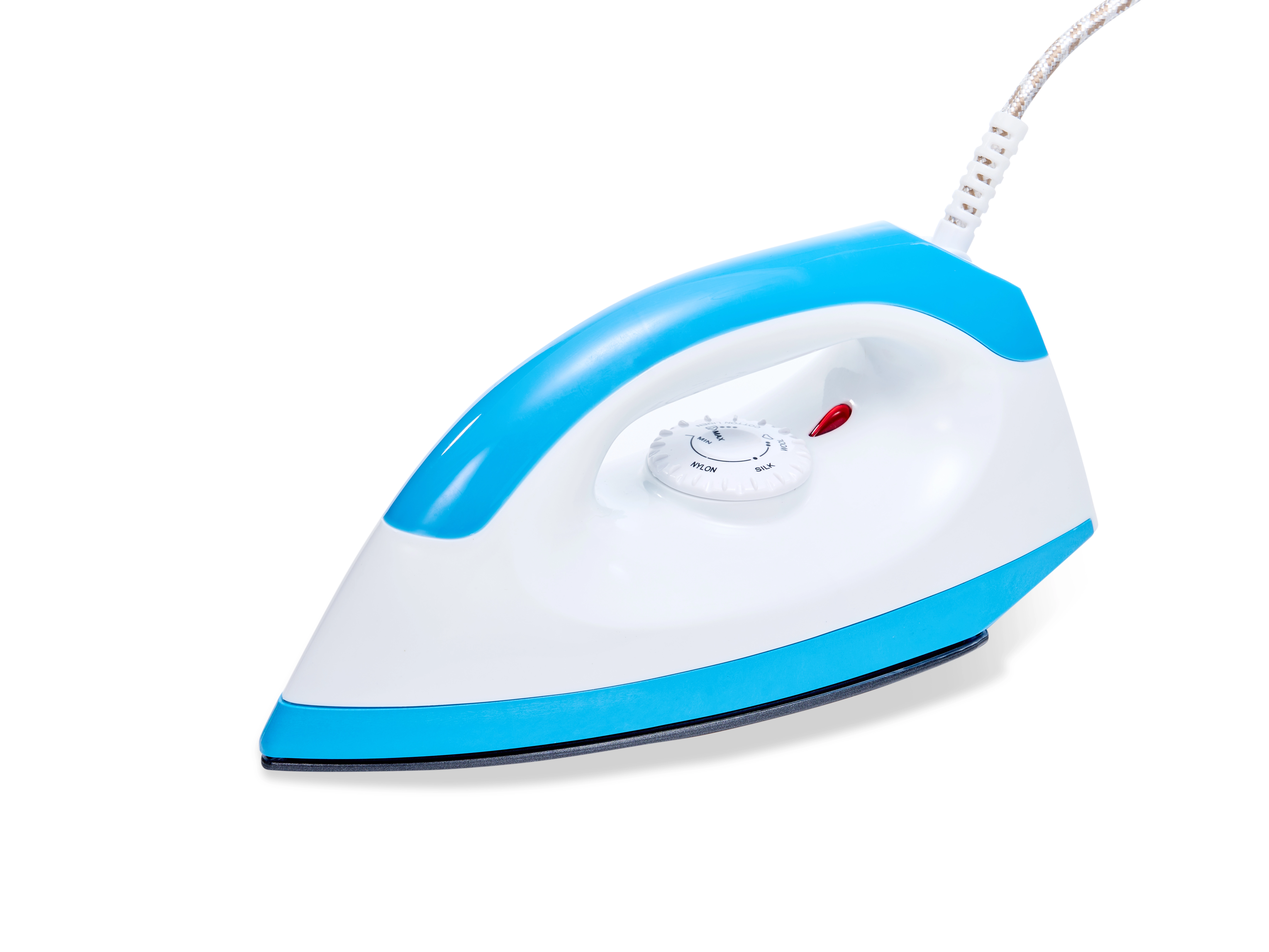
Steam output is only as effective as the soleplate itself. The metal base must deliver moisture flawlessly. Poorly designed soleplates cause rapid steam condensation internally. This leads to frustrating water spitting during operation. Spitting ruins delicate garments instantly and slows down operators. Heat distribution plays a vital role here. You need absolute uniform temperature across the entire pressing surface.
Material evaluation helps you make highly informed procurement choices. Manufacturers typically use aluminum, stainless steel, or ceramic compounds. Aluminum heats up incredibly fast upon startup. However, it scratches easily and degrades over time from zipper contact. Stainless steel offers excellent physical durability against drops. It cleans easily but sometimes suffers from uneven heating zones.
Ceramic options provide highly unique operational benefits. Investing in a commercial ceramic soleplate steam iron often proves optimal. It balances diverse commercial laundry loads perfectly. Ceramic features a superior, ultra-smooth glide coefficient. Operators experience much less friction, reducing arm fatigue dramatically.
It also boasts high resistance to heavy starch buildup. Sticky chemical residues wipe off effortlessly with a damp cloth. Most importantly, ceramic maintains incredibly even temperatures. It stays hot even when massive volumes of steam pass through the vents. This profound thermal stability guarantees highly reliable commercial steam iron output shift after shift.
Operations scale very differently based on daily customer demand. Upgrading your equipment requires careful, strategic thought. You generally choose between two primary steam architectures.
Gravity-feed irons draw water directly from a suspended overhead tank. They suit specific, controlled environments beautifully.
Pressurized steam boiler systems operate on a much larger scale. They heat water rapidly in a dedicated external pressure tank.
Your shortlisting logic should follow very clear parameters. Base your procurement decision strictly on daily operating hours. Consider your available floor space carefully before ordering. You must also rigorously evaluate operator training levels. Boiler systems demand much more technical awareness from staff. Gravity-feed setups require almost no specialized mechanical training.
High performance always brings strict maintenance responsibilities. High steam output means exceptionally high water vaporization rates. Rapid vaporization leaves destructive minerals behind constantly. The hard water threat requires your constant vigilance. Scaling risks threaten both the boiler walls and the iron vents. Calcium deposits block narrow steam pathways very quickly. This chokes your machine and causes messy water spitting onto clean clothes.
Strict maintenance requirements keep daily operations running smoothly. Boiler setups necessitate mandatory daily blowdowns. Operators must flush the system while it remains under pressure. This flushes out loose sediment safely before it hardens into scale. You must use demineralized or correctly treated water exclusively. Proper water quality heavily maintains your output consistency. Neglecting this vital step leads to expensive, avoidable repairs.
Operator ergonomics require equal, immediate attention. Systems providing the highest performance are inherently heavy. They often utilize much thicker hoses and heavier handpieces. The constant physical exertion adds up quickly over an eight-hour shift. You must factor operator fatigue deeply into your equipment selection process.
Best practices for protecting your operators daily:
Optimal commercial ironing relies on a very precise triad. You must constantly balance steam pressure, steam volume, and soleplate temperature. Mastering these three variables guarantees flawless garment finishes. It also maximizes your daily labor efficiency significantly.
Audit your most frequently processed fabrics first. Calculate your target units-per-hour carefully based on recent data. Use these firm numbers before shortlisting specific iron or boiler capacities. Proper planning fully prevents underpowered equipment purchases.
We highly encourage requesting a live equipment demo. Consult a commercial laundry equipment specialist today regarding your specific needs. Test your toughest fabrics on targeted machines directly. Seeing the performance firsthand will solidify your final procurement decision.
A: Professional applications demand much higher output than basic consumer models. A standard home iron might produce 20-40 g/min. In stark contrast, a robust commercial unit should generate at least 80 to 120 g/min continuously. Heavy-duty industrial boilers can easily push this beyond 150 g/min. High continuous output ensures quick recovery times and deep fiber penetration. Always prioritize continuous grams-per-minute metrics over momentary burst ratings when evaluating your equipment.
A: Water spitting usually results from three main issues. First, the soleplate temperature might have dropped too low to vaporize water instantly. Give it time to reheat properly. Second, operator error plays a huge role. Pulling the steam trigger too frequently floods the heating chamber. Finally, severe limescale blockages can trap water inside the vents. Regular chemical descaling and strict daily boiler blowdowns typically resolve these frustrating spitting problems.
A: Yes, a vacuum ironing board is virtually mandatory for high-steam environments. Heavy steam output injects massive moisture into garments quickly. The vacuum function actively pulls steam completely through the fabric layers. It extracts residual moisture instantly. This rapid drying process sets crisp creases immediately. Without a vacuum board, excess moisture pools heavily on the surface. Clothes remain damp, leading to wrinkles returning rapidly as the garment cools.
A: Yes, excessive steam presents very real risks to fine tailored garments. High pressure can "blow out" delicate seams or distort precise tailoring lines. It also deeply threatens fused interfacings inside collars and suit lapels. Too much heat and moisture can delaminate these glued layers, causing unsightly surface bubbling. This reinforces the absolute need for variable steam control. Operators must adjust pressure manually to protect delicate structural elements.


