
- All
- Product Name
- Product Keyword
- Product Model
- Product Summary
- Product Description
- Multi Field Search
Views: 0 Author: Site Editor Publish Time: 2026-09-26 Origin: Site


Lab-tested performance often paints a perfect picture for equipment buyers. It rarely matches real-world, heavy-duty applications. Manufacturers might promise endless pressure. However, floor operators frequently experience frustrating performance drop-offs during peak usage. Maintaining steady pressure and volume demands a fundamental shift in your management strategy. You must move away from reactive, emergency repairs. Instead, you need structured, predictive maintenance routines. This core truth applies equally across the board. It affects massive industrial boilers and commercial garment care hardware alike. You need a reliable evaluation framework before committing to any specific technology. A proper framework aligns your available maintenance resources directly against your daily operational demands. We will explore the precise maintenance routines you need to succeed. You will also learn how to evaluate suppliers effectively. This ensures your demanding systems keep running flawlessly every single day.
Steam pressure fluctuations cost businesses serious money across all sectors. They cause immediate financial impacts on the production floor. Product spoilage happens quickly when temperatures drop below critical thresholds. Cycle times increase significantly during demanding manufacturing processes. Energy waste skyrockets as systems struggle repeatedly to reheat water. Operators often compensate by turning up baseline temperatures. This workaround stresses internal components unnecessarily. It accelerates mechanical wear and tear dramatically. Businesses must stop viewing pressure drops as mere annoyances. They are genuine operational failures.
You must define what "reliable" actually means for your commercial setting. Reliable means achieving zero unplanned downtime during a given quarter. It means sustaining specific bar and PSI metrics during peak loads. A commercial laundry facility cannot survive 20% pressure drops during morning shifts. A food processing plant requires exact thermal metrics for compliance. Success criteria must be measurable and visible to floor staff. Managers should track these metrics daily. They provide early warning signs of impending component failure.
Upfront equipment costs only tell part of the financial story. You must contrast initial purchase prices against long-term maintenance neglect. High-end equipment requires ongoing investment to perform optimally. Skipping preventative care accelerates component failure rapidly. This drives up your long-term operational expenses exponentially. Cheaper units often demand more frequent parts replacement. Premium units might last longer but require specialized servicing. You must factor these ongoing realities into your procurement budgets. Proper financial planning prevents shock when major services become due.
Water quality dictates system longevity more than any other factor. Mineral accumulation degrades heating element efficiency exponentially over time. Calcium and magnesium precipitate rapidly at high temperatures. Scale buildup acts as an unwanted thermal insulator. It forces heaters to work harder and consume more electricity. This directly alters your baseline continuous steam output specifications. You must implement aggressive water treatment protocols. Using reverse osmosis or heavily softened water is usually non-negotiable. Ignoring water quality guarantees premature equipment failure.
Pressure regulation systems also demand constant, meticulous attention. You should calibrate pressure switches regularly to maintain accuracy. Inspect safety valves often to ensure uniform output. Minor calibration drifts cause major pressure swings over a shift. These swings ruin production consistency and harm product quality. Deadband adjustments on pressure switches must remain tight. Technicians must verify these settings during every quarterly service. A faulty pressure switch can easily lead to dangerous over-pressurization.
Blowdown protocols are equally critical for system health. Industrial and commercial systems require regular bottom and surface blowdowns. This process manages dissolved solids effectively and efficiently. It flushes out sludge before it hardens onto vital components. Surface blowdowns skim impurities from the water level line. Bottom blowdowns remove heavy particulate matter from the tank base. You must schedule these blowdowns based on precise daily usage rates. High-volume operations often require multiple blowdowns per shift.
Daily operational routines prevent sudden, catastrophic failures. Operators must conduct visual inspections before every single shift. They need to check water levels meticulously and monitor feed pumps. End-of-shift flushing clears out loose sediments effectively. Staff should look for minor leaks around fittings and valves. Catching a small drip early prevents a major blowout tomorrow. These daily checks take minutes but save thousands of dollars.
Weekly and monthly preventative maintenance goes much deeper. Technicians must perform deep descaling using approved chemical solutions. They should handle sensor calibration and gasket integrity checks carefully. Gaskets harden over time due to intense thermal cycling. Replacing a ten-dollar gasket prevents a major steam leak. Sensors require periodic cleaning to register water levels accurately. False sensor readings often trigger emergency system shutdowns unnecessarily.
Application-specific scaling requires tailored, sensible approaches. Large-scale systems demand highly specialized focus areas:
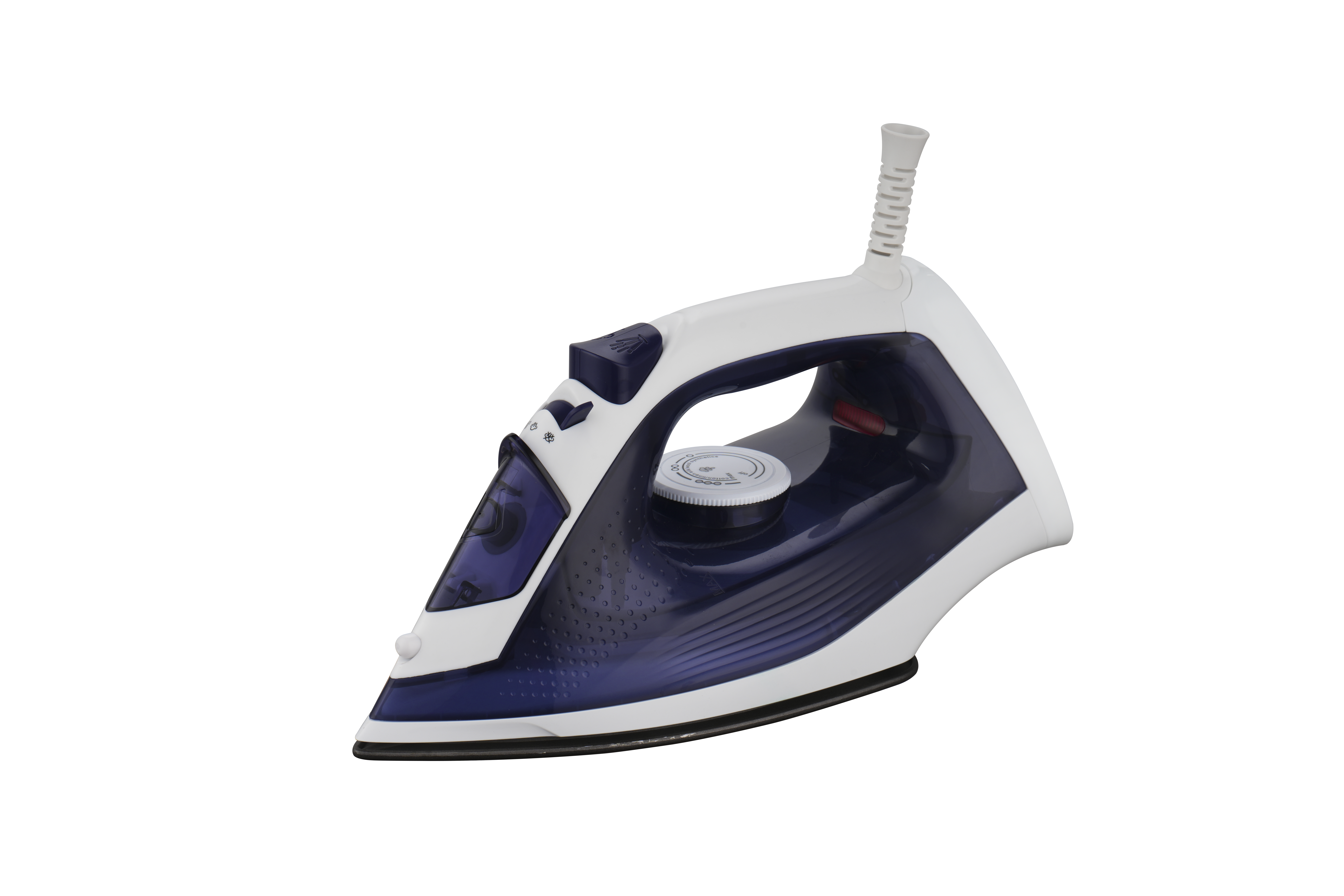
Commercial garment and textile care involves different daily realities. You need specific upkeep routines for smaller, localized units. A standard steam iron requires daily tank rinsing to prevent spitting. Proper care becomes even more critical for advanced units. Consider the maintenance needed for a high performance electric steam iron with integrated continuous fill. You must descale its external pressurized tanks weekly without fail. This prevents catastrophic pressure drops during busy shifts. Staff must empty reservoirs entirely before weekend closures.
Table: Recommended Preventative Maintenance Intervals
| Component | Daily Action | Weekly Action | Monthly Action |
|---|---|---|---|
| Water Tanks / Boilers | End-of-shift flush | Visual scale inspection | Deep chemical descale |
| Heating Elements | Monitor heat-up times | Check amp draw | Inspect for scale bridging |
| Pressure Valves | Visual leak check | Manual safety pop test | Full calibration check |
| Gaskets & Seals | Check for hissing | Wipe clean | Replace if brittle |
Choosing the right equipment means evaluating the vendor carefully. You need a reliable continuous steam output supplier to ensure long-term success. Scrutinize their Service Level Agreements (SLAs) deeply. Demand clear response times in your vendor contract. Require predictive maintenance audits as part of the deal. A four-hour emergency response time differs vastly from forty-eight hours. Your supplier must guarantee technician availability during your peak operational seasons.
Parts availability matters immensely to your uptime metrics. Always insist on OEM standard replacements for critical components. Using third-party replacement elements carries huge operational risks. Cheaper aftermarket heaters often use lower-grade metal alloys. They burn out faster and reduce overall system efficiency. Third-party parts can void manufacturer warranties instantly. They frequently compromise workplace safety compliance and insurance requirements.
Transparency in specifications is another crucial vetting factor. Some suppliers overstate their continuous delivery times heavily. They fail to detail the required baseline water quality. They hide mandatory maintenance intervals deep in fine print. You must vet these claims thoroughly before signing anything. Ask them directly about recovery times after a heavy draw. Request case studies showing performance degradation over a five-year period. Honest suppliers provide this data willingly and transparently.
Marketing myths often promise entirely "self-cleaning" systems. You must debunk these exaggerated promises immediately upon reading them. No system is truly maintenance-free in the real world. All steam-generating equipment requires consistent, dedicated human oversight. Auto-descaling features only extend the time between manual cleanings. They do not eliminate the need for physical inspections. Relying solely on automated purges leads to severe scale bridging. Scale bridging causes heating elements to short out completely.
Adoption friction happens frequently on the busy factory floor. Staff members often skip daily preventative maintenance routines entirely. They do this when they lack adequate training or time. Management must integrate these checks into standard operating procedures firmly. Provide checklists on laminated cards near the equipment. Assign specific individuals to sign off on daily flushes. Accountability prevents small oversights from becoming expensive mechanical disasters.
Skipped maintenance creates severe, verifiable safety realities. It doesn't just lower operational efficiency and profit margins. It creates dangerous pressure vessel hazards in your facility. These hazards violate strict local and national workplace safety standards. A neglected safety relief valve acts like a ticking bomb. Neglecting maintenance puts your entire workforce at immense physical risk. Compliance inspectors penalize facilities heavily for lacking maintenance logs.
Reliable performance is never a random accident. It is a direct byproduct of matched equipment capabilities. It requires rigorous, unwavering maintenance discipline across your entire team. You must align your chosen technology against your internal resources. Do not buy complex systems if you lack dedicated technicians. Request comprehensive maintenance manuals from vendors early in the process. Review their long-term operational cost projections carefully. Compare these projections against standard specification sheets. Make sure you understand the total physical commitment required. Achieving reliable continuous steam output demands proactive care and trained personnel always.
A: Even one millimeter of scale drastically reduces thermal transfer. This thin layer acts as an insulator on the heating element. It forces the system to consume up to ten percent more energy. Steam yield drops significantly as recovery times extend. Heavy scale eventually causes elements to overheat and fail completely.
A: Emphasize robust technical support and aftermarket care. Look for suppliers who guarantee the availability of local service technicians. Demand transparent maintenance schedules upfront before purchasing. Ensure they stock genuine OEM replacement parts in local warehouses. Avoid vendors who hesitate to share real-world performance degradation data.
A: No. Auto-descaling features prolong intervals but never eliminate manual tasks. You must maintain a highly skeptical, evidence-based view of "maintenance-free" claims. Automated purges cannot remove hardened sludge from tank corners. They do not eliminate the need for physical gasket inspections. Deep manual cleans remain completely mandatory for safe operation.


