
- All
- Product Name
- Product Keyword
- Product Model
- Product Summary
- Product Description
- Multi Field Search
Views: 366 Author: Site Editor Publish Time: 2026-02-24 Origin: Site


Ironing clothes might seem like a simple task, but it plays a critical role in maintaining your clothes’ appearance. Wrinkles can affect your overall look, whether for work, a special event, or a casual day out. Many people unknowingly make common mistakes when ironing, from using the wrong temperature to neglecting maintenance. In this article, you will learn the right way to iron your clothes and unlearn those bad habits, ensuring your garments always look polished with the help of a steam iron.
Ironing is not just about removing wrinkles; it’s about maintaining your clothes. Improper ironing techniques can cause damage to the fabric fibers, leading to premature wear and tear. Overheating the iron or applying pressure in the wrong areas can weaken fibers, especially in delicate fabrics like silk or wool. By learning the correct techniques and using the right tools, such as a high-quality steam iron, you can help your clothes last longer, keeping them looking fresh for years to come.
One of the most important aspects of ironing is setting the right temperature for different fabrics. Using a high heat setting for a delicate fabric like silk can scorch it, while a low temperature may not be effective on tougher materials like cotton. Steam irons, which have adjustable temperature settings, can make this easier. By using the appropriate temperature for the fabric, you’ll avoid burns and ensure smooth, wrinkle-free results.
Fabric Type | Recommended Temperature (°F) | Recommended Iron Type |
Cotton | 400°F | Steam Iron |
Linen | 430°F | Steam Iron |
Silk | 250°F | Dry Iron (Low Heat) |
Wool | 350°F | Steam Iron |
Polyester | 300°F | Dry Iron (Medium Heat) |
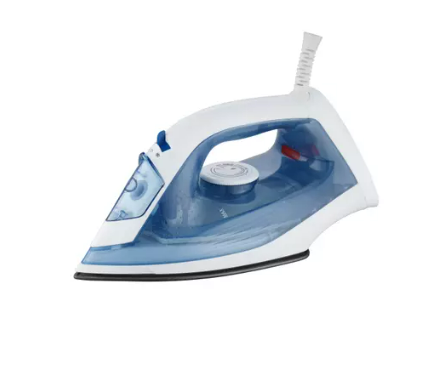
A common mistake many people make is starting with heavier fabrics, thinking they’re easier to iron. This approach can be counterproductive because the steam iron is typically hotter at the beginning of use, making it more difficult to handle delicate fabrics later. The right approach is to start with lighter fabrics and work your way to heavier ones. This way, you prevent damage to your clothes and ensure a more effective ironing process.
Ironing clothes that are bone dry can lead to unwanted creases and, in some cases, cause the fabric to shine. A steam iron is especially useful for this because it applies moisture to the fabric, softening the fibers and making them more pliable. If you're using a dry iron, it’s best to lightly spray water or use a damp cloth to make the fabric easier to press.
A well-maintained iron performs better and lasts longer. Unfortunately, many people forget to clean their steam irons regularly, leading to dirt build-up and less efficient steam output. Over time, this can result in streaks or stains on your clothes. Ensure you clean your iron according to the manufacturer’s instructions to maintain its performance and keep your clothes looking their best.
Choosing the correct iron is essential for achieving the best results. A steam iron, for example, is ideal for most fabrics, as the steam helps loosen fibers and eliminate wrinkles more effectively. On the other hand, dry irons are best for delicate materials like silk or wool, which don’t handle moisture well. Understanding which type of iron to use based on the fabric type is key to achieving flawless results.
Ironing a shirt may seem tricky, but with the right technique, it’s easy to achieve a smooth, wrinkle-free finish.
1. Start with the collar: Iron the underside first, then flip it and iron the top.
2. Move to the cuffs: Unbutton them and iron both the inside and outside.
3. Iron the sleeves: Lay them flat on the board and work from cuff to shoulder.
4. Iron the body: Start with the front, ironing in vertical strokes, and then do the back.
5. Avoid the buttons: Don’t iron directly over buttons, as this can cause them to melt or become misshapen.
Ironing pleated trousers requires a bit of extra attention. Start by turning the pants inside out and ironing the pockets first. Then, iron the waistband, turning the trousers from the inside to the outside. For the pleats, carefully iron from the top to the bottom, ensuring they stay sharp. For skirts, follow a similar approach, starting with the waistband and then working down the fabric.
Steam irons provide a superior ironing experience due to their ability to produce steam that penetrates the fabric, making it easier to remove wrinkles. Dry irons, while effective for delicate fabrics, don’t offer the same wrinkle-eliminating power as steam irons. For stubborn wrinkles and tougher fabrics, steam irons are the way to go. The ability to use both steam and dry functions makes them versatile for different types of clothes.
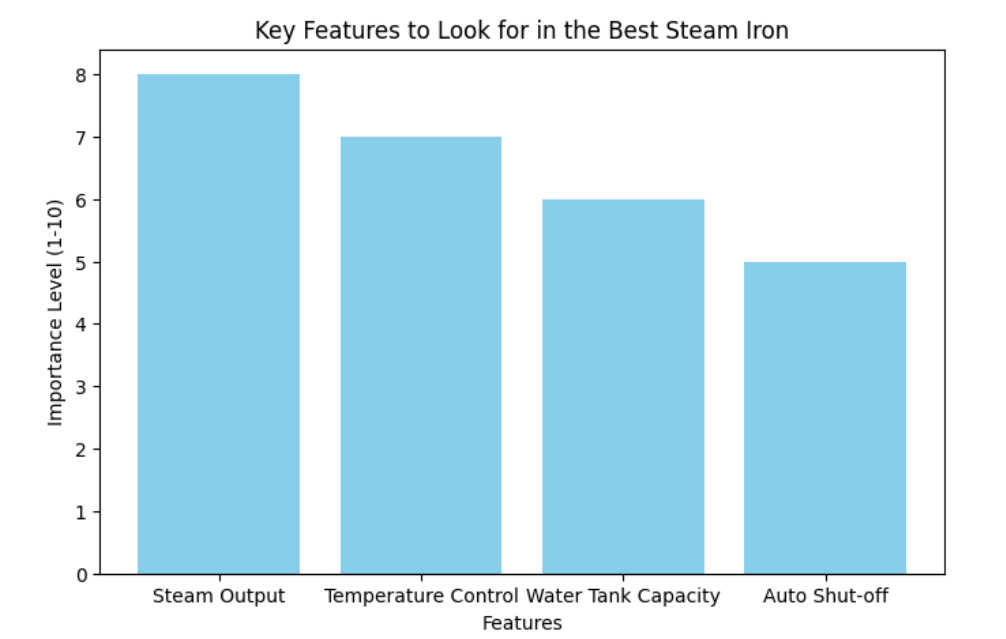
When selecting a steam iron, there are several important features to consider to ensure you get the best results:
● A higher steam output helps to remove stubborn wrinkles more efficiently, making ironing faster and more effective. The ability to release steam continuously or in bursts can significantly improve wrinkle removal, especially on heavier fabrics.
● Adjustable temperature settings are essential for ironing different types of fabrics. Being able to set the right heat ensures that delicate fabrics like silk are not damaged, while heavier fabrics like cotton are smoothed out with ease.
● A larger water tank in a steam iron allows for longer ironing sessions without frequent refills. This is particularly beneficial when ironing large loads of clothes, such as bed linens or multiple garments at once. It ensures a continuous steam output, enhancing efficiency and saving time, especially for busy users.
● The auto shut-off feature is an important safety measure, automatically turning off the iron if it remains idle for a certain period. This helps prevent accidents, such as the risk of overheating or burning. Additionally, it conserves energy, making it an essential feature for safety-conscious users who want peace of mind during ironing sessions.
Feature | Description |
Steam Output | Higher steam output helps in removing stubborn wrinkles. |
Temperature Control | Adjustable control for various fabric types. |
Water Tank Capacity | Larger tank reduces the frequency of refills. |
Anti-Drip Technology | Prevents water drips, maintaining dry ironing. |
Self-Cleaning Function | Automatic cleaning to maintain performance. |
Some fabrics, like linen and cotton, tend to wrinkle more easily and may require extra attention. For stubborn wrinkles, use the steam function of your iron. Hold the iron slightly above the fabric and let the steam work its magic. Alternatively, spray a light mist of water to dampen the fabric and then press the iron down. For heavier fabrics, you may also use starch to achieve a crisp finish.
Shiny spots can appear on clothes when ironing, especially on darker fabrics. This happens when the fabric is overheated or not ironed properly. To avoid shine, always iron clothes inside out, use a pressing cloth, and adjust the temperature based on the fabric. Steam irons are particularly useful in this regard, as the steam helps reduce direct contact with the fabric, minimizing the risk of shine.
Problem | Solution |
Stubborn Wrinkles | Use a steam iron for better wrinkle removal. |
Shine Marks on Dark Fabrics | Iron inside out to avoid shine, or use a pressing cloth. |
Scorch Marks on Clothes | Adjust temperature or use a pressing cloth to protect fabrics. |
Water Spots from Steam Iron | Clean the iron regularly, use distilled water. |
Proper ironing is essential for maintaining your clothes’ appearance and longevity. By unlearning bad habits, like ironing dry clothes or starting with heavy fabrics, and learning the correct techniques, you can achieve a polished, wrinkle-free look. The right steam iron, like those from Ningbo Lingqiu Electric Appliance Co., Ltd., enhances ironing efficiency and results, providing value through advanced features for effortless garment care.
A: Start by adjusting the temperature based on fabric type. Use the steam iron’s steam function to remove stubborn wrinkles effectively and always iron while clothes are slightly damp.
A: To avoid wrinkles, use a steam iron for better wrinkle removal and iron clothes in sections. Always move the iron smoothly to prevent new creases.
A: Steam irons are more effective for removing stubborn wrinkles. The steam softens fabric fibers, making it easier to achieve a crisp, wrinkle-free result.
A: Clean your steam iron regularly by descaling it to remove mineral deposits. This ensures optimal performance and prevents stains on your clothes.
A: Steam irons are ideal for fabrics like cotton, linen, and wool. These fabrics respond well to steam, helping to remove stubborn wrinkles without damage.


