
- All
- Product Name
- Product Keyword
- Product Model
- Product Summary
- Product Description
- Multi Field Search
Views: 0 Author: Site Editor Publish Time: 2026-07-31 Origin: Site


Standard irons are simply too bulky for modern travel. Hotels struggle to store them efficiently in small wardrobes. Traditional garment steamers face an entirely different problem. They lack the direct pressing power required for crisp collars and sharp cuffs. Buyers across consumer travel, hospitality procurement, and corporate gifting sectors face a dilemma. They need a reliable hybrid solution. They demand a compact mini handheld steam iron. This specific device balances physical footprint, heat efficiency, and operational safety perfectly.
Our guide provides a clear, evidence-based framework. You will learn to evaluate technical specifications accurately. We help you mitigate common deployment risks. You can identify potential water leakage points easily. You will avoid disastrous power incompatibility issues abroad. Finally, you will discover how to shortlist the right model based on your specific end-user channel.
Channel-Specific Requirements: Travel models demand dual voltage; hotel models prioritize auto-shutoff safety; gift channels rely on premium aesthetics and packaging.
Material Matters: A ceramic soleplate iron significantly outperforms standard non-stick coatings in glide durability and even heat distribution.
Form vs. Function: Compactness often sacrifices water tank capacity; evaluate the trade-off between a 180-degree rotating handle (for ergonomics) and overall appliance footprint.
Sourcing Viability: For volume buyers, evaluating an OEM handheld iron requires checking local compliance certifications (UL/CE/RoHS) and warranty failure rates.
Manufacturers often use standard Teflon for budget irons. Teflon wears down quickly under heavy use. It catches on metal zippers and plastic buttons easily. A ceramic soleplate iron completely solves these durability issues. Ceramic effectively resists deep scratching. It retains heat far better than basic aluminum or steel. This superior heat retention prevents annoying snagging. Delicate fabrics glide smoothly under a heated ceramic surface. Silk and polyester remain safe from sudden scorch marks. The even heat distribution prevents localized hot spots.
Ergonomics matter deeply in confined spaces. Hotel rooms often lack proper ironing boards. Guests frequently iron on beds or small vanity desks. A 180-degree rotating handle transforms usability entirely. This articulation provides a massive ergonomic advantage. It allows seamless switching between modes. You can press flat collars easily in a horizontal position. Then, you can twist the handle. This lets you steam hanging garments vertically. This flexibility maximizes utility in cramped hospitality environments.
You must examine heat-up time versus wattage. Small models require an optimal wattage floor for performance. This range typically sits between 800W and 1000W. Lower wattages produce weak, sputtering steam. We must address "fast heat-up" claims objectively. True usability demands quick vapor generation. The heating element must reach steam-producing temperatures rapidly. It should hit this mark within 30 to 45 seconds. Anything slower frustrates hurried travelers. They abandon the device if it wastes their morning.
Steam mode variability is another critical evaluation metric. A single heat setting fails diverse wardrobes. Devices need multiple settings to handle different garments. We recommend evaluating these core modes:
Dry iron mode: Ideal for synthetics and blended fabrics. It uses pure contact heat without moisture.
Continuous steam: Best for standard cotton shirts. It relaxes everyday wrinkles steadily and evenly.
Burst of steam: Essential for thick linens and heavy denim. It pushes deep moisture forcefully through dense fibers.
Different fabric weights require specific approaches. A versatile device switches between these modes instantly. This ensures users do not ruin expensive clothing items.
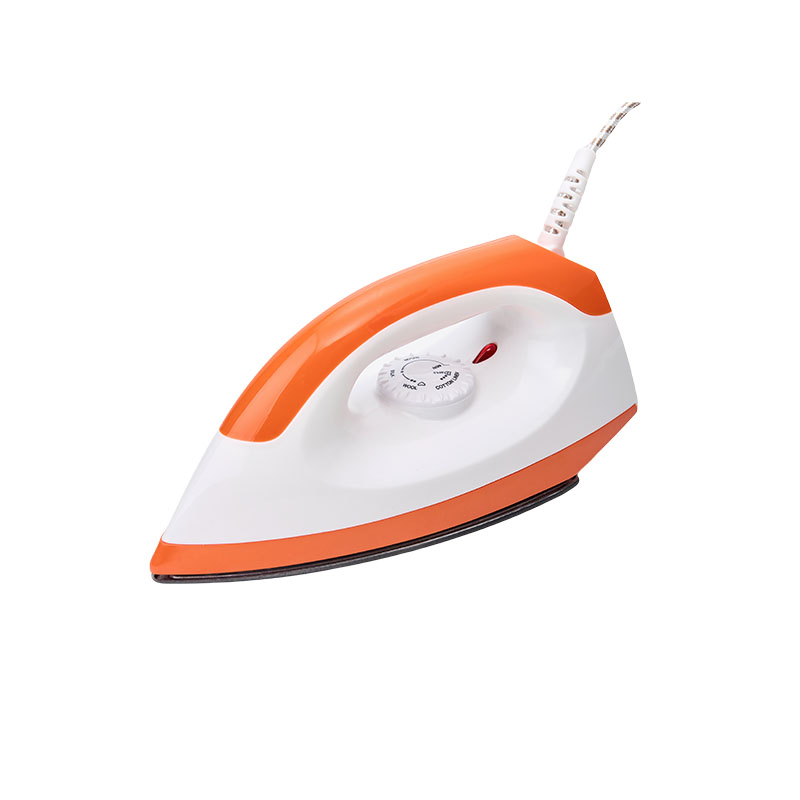
The Travel Channel serves direct consumers and corporate gifting programs. Portability defines ultimate success here. Global compatibility remains the most critical metric. True dual-voltage capability is absolutely essential. The device must switch between 110V and 220V internally. Travelers despise carrying external bulky transformers. The unit must operate globally without cumbersome accessories. Furthermore, it must qualify as a TSA-friendly travel ironing appliance. Luggage space is precious. The device must fold down or pack away discreetly.
The Hotel and Hospitality Channel operates differently. Success means strict liability reduction. Intensive lifecycle durability dictates procurement choices. An inactivity auto-shutoff acts as the most crucial feature. An 8-minute sensor prevents devastating fire hazards. Guests frequently leave irons unattended. Anti-calc systems are equally vital for hotel deployment. Hotels often use hard municipal tap water. Mineral buildup destroys bare heating elements rapidly. It clogs steam vents and ruins garments. Finally, tamper-resistant retractable cords prevent physical damage. Guests pull cords carelessly when packing up.
The Premium Gift and Corporate Channel relies on presentation. High perceived value drives this specific sector. The out-of-box experience dictates campaign success. Aesthetic finishing matters immensely to the recipient. Matte finishes often look far more premium than high gloss. Thoughtful accessories elevate the product further. Heat-resistant silicone resting pads protect wooden surfaces. Premium velvet or neoprene travel pouches add immediate value. They elevate the gifting experience substantially. Users associate the heavy, well-packaged unit with high quality.
Deployment Channel | Primary Success Metric | Crucial Hardware Feature | Common Deployment Mistake |
|---|---|---|---|
Travel / Consumer | Portability & Compatibility | True Dual-Voltage (110V/220V) | Failing to empty water before packing |
Hotel / Hospitality | Liability Reduction | 8-Minute Auto-Shutoff | Ignoring anti-calc needs for hard water |
Premium Corporate Gift | High Perceived Value | Matte Finish & Silicone Pad | Using cheap, flimsy plastic packaging |
You must examine the water capacity trade-off carefully. Compactness always comes at a physical cost. A mini steam iron inherently uses a smaller internal reservoir. Capacities typically range narrowly from 50ml to 100ml. You must set highly realistic expectations. This volume yields roughly 5 to 10 minutes of continuous steam. It suits one or two garments perfectly. It is absolutely not designed for bulk laundry chores. Users must refill the tank for heavier usage. Transparent water windows help monitor levels accurately.
We must address severe leakage and spitting issues. Low-quality models spit boiling water aggressively onto clothes. This happens due to inadequate vaporization chamber temperatures. Water enters the chamber before the element heats fully. It fails to turn into steam. Instead, it leaks out as dangerous hot droplets. Anti-drip technology prevents this frustrating mess entirely. It stands as a non-negotiable evaluation criterion. Internal bimetallic valves cut off water flow automatically. They stop flow the moment temperatures drop below steam thresholds. This keeps delicate fabrics completely dry.
Consider cord length limitations seriously. Many buyers overlook this specific hardware failure point. Hotel usage exposes this design flaw quickly. Wall plugs often sit far from tables or beds. A practical handheld steam iron requires a minimum 6-foot cord. This 1.8-meter length allows free movement. It reaches standard room outlets easily. You can access ironing surfaces comfortably. You can also steam hanging garments without straining your arms. Short cords force users into awkward, unsafe postures near outlets.
Volume purchasers face complex manufacturing choices. They must choose between white-label models and custom molds. Off-the-shelf white labeling speeds up deployment significantly. It offers a much faster time-to-market. Corporate gift channels benefit greatly from this speed. Custom molding suits entirely different needs. It ensures strict adherence to brand standards. Hospitality groups often require custom aesthetic tweaks. They might need specific brand colors or molded logos. They also demand proprietary security brackets for hotel rooms.
Evaluating an OEM handheld iron requires rigorous compliance checks. Safety certifications protect your users and your reputation. You must verify UL listing for the North American market. You should check CE or UKCA marks for Europe. Uncertified heating elements create catastrophic fire liability. Do not skip this verification phase. Request the original testing laboratory reports directly. Ensure the certificates match the exact factory producing the units. Fraudulent certificates remain a common sourcing risk.
You must manage Minimum Order Quantities and sample testing carefully. Do not buy blindly based on catalog photos. Always request a functional pilot unit first. You must run specific physical checks in your office. We recommend following a strict evaluation protocol. It reveals hidden manufacturing flaws quickly.
Test heat-up consistency: Cycle the device from cold to maximum heat five times. Measure the exact seconds it takes to produce steam.
Perform a shaking test: Fill the water tank completely. Seal it. Shake the unit vigorously upside down to check for micro-leaks.
Verify soleplate accuracy: Use an infrared thermometer. Check the temperature across low, medium, and high settings. Ensure the heat distributes evenly.
Test the anti-drip valve: Press the steam button immediately after plugging it in. A good unit will block water until fully heated.
Our final assessment emphasizes utility over novelty. The best device avoids unnecessary, flashy gimmicks. True value lies in aligning technical specs properly. You need durable ceramic plating and reliable auto-shutoff features. Rotational handles easily solve spatial constraints in small rooms. These features must match your target channel precisely. Travel models need dual voltage. Hotel models demand strict safety sensors.
Your next action is straightforward. Define your primary use case immediately. Choose distinctly between global travel readiness and domestic hotel amenities. Request a detailed spec sheet today from your supplier. Ask for a physical sample unit. Prioritize robust safety certifications strictly. Ensure the soleplate material meets your specific durability standards. Making evidence-based choices ensures high user satisfaction and lower replacement cycles.
A: For travel and precise pressing, yes. They handle collars, cuffs, and pleats perfectly. However, for high-volume, continuous steaming of delicate drapes or multiple heavy garments, a dedicated steamer remains superior. Mini devices simply lack the large tank capacity required for prolonged, uninterrupted sessions.
A: Yes, TSA rules permit them in both carry-on and checked bags. However, you must ensure the water tank is completely emptied before packing. Residual water causes messy leaks during pressure changes. It can also trigger unnecessary security flagging at checkpoints.
A: Dry ironing uses pure contact heat. It is ideal for synthetics or situations where clean water is unavailable. Steam ironing adds moisture. This rapidly relaxes stubborn wrinkles in cottons and linens. Top-tier models allow seamless switching between both modes instantly.
A: If the appliance is strictly 110V, yes. Plugging it into 220V will destroy it. However, modern travel-optimized units feature built-in dual-voltage switches. Always verify the voltage stamp on the device base before plugging it in abroad to prevent damage.


