
- All
- Product Name
- Product Keyword
- Product Model
- Product Summary
- Product Description
- Multi Field Search
Views: 0 Author: Site Editor Publish Time: 2026-08-30 Origin: Site


For procurement teams and facility managers, receiving a batch of defective ironing equipment means operational downtime and compounded return costs. You expect high-performance tools, not unexpected hardware failures. Pre-shipment inspection serves as the final firewall between a manufacturing facility and your hotel or laundry business. It permanently shifts the dynamic from simply trusting a vendor to objectively verifying a product.
When you scale your inventory, assuming perfect quality control is a risk you cannot afford to take. Unchecked equipment can quickly lead to scorched fabrics or dangerous electrical faults. This guide provides a definitive, step-by-step Quality Assurance (QA) framework. We will help you audit your equipment thoroughly before the bill of lading is signed. You will learn how to accurately check structural integrity, electrical safety, and daily performance metrics. We want you to secure your investment and ensure complete operational readiness from day one.
Unchecked bulk orders carry significant inherent risks. You might face dangerous fire hazards, irreversible fabric damage, and strict non-compliance penalties regarding regional electrical codes. A poorly manufactured batch disrupts daily operations and creates major safety liabilities. Defining these business problems early helps you establish a robust testing framework. You must transition from reactive damage control to proactive quality assurance.
Setting the Acceptable Quality Limit (AQL) provides a mathematical foundation for your inspection. You need standard sampling rates for all bulk orders to ensure consistency. Most industries rely on ISO 2859-1 standards. Use AQL General Inspection Level II as a dependable baseline. For example, if you order 1,000 units, this level dictates inspecting exactly 80 random samples. Establish firm, uncompromising thresholds for different defect classifications:
Vendor alignment remains crucial throughout this process. Mandate total transparency early in your contract negotiations. Require your commercial steam iron supplier to share their internal factory testing logs. Compare these preliminary factory logs against your independent, third-party inspection data. This cross-referencing strategy keeps vendors highly accountable. It creates a solid paper trail documenting your strict quality standards.
The visual and structural audit forms the foundation of your inspection. Factory environments can introduce small assembly errors. You must catch these physical defects before units reach the shipping container.
Soleplate inspection serves as your very first physical check. The soleplate interacts directly with expensive linens and garments. Examine the surface under bright, white lighting. Look closely for micro-scratches or uneven chemical coatings across Teflon, ceramic, or stainless steel finishes. A compromised coating will drag on fabrics and burn them over time. Next, examine the steam vents. Vents must align perfectly without any blockages. Ensure you find zero burrs around the vent edges. Inspectors often run a nylon cloth over the plate. If the nylon snags, the sharp burrs will ruin delicate fabrics.
Evaluate the water tank and sealing mechanisms next. Steam generation relies on containing high heat and moisture. You must verify the structural integrity of the water tank seams. Strong, well-welded seams prevent dangerous high-pressure leaks during intense operation. Inspect the filling cap mechanism closely. The closure must fit tightly to stop boiling water from escaping. Hinges need to be highly durable to survive thousands of open-and-close cycles.
Ergonomics and general build quality matter deeply for daily users. Laundry staff handle these tools for hours at a time. Follow this structured approach to test the build:
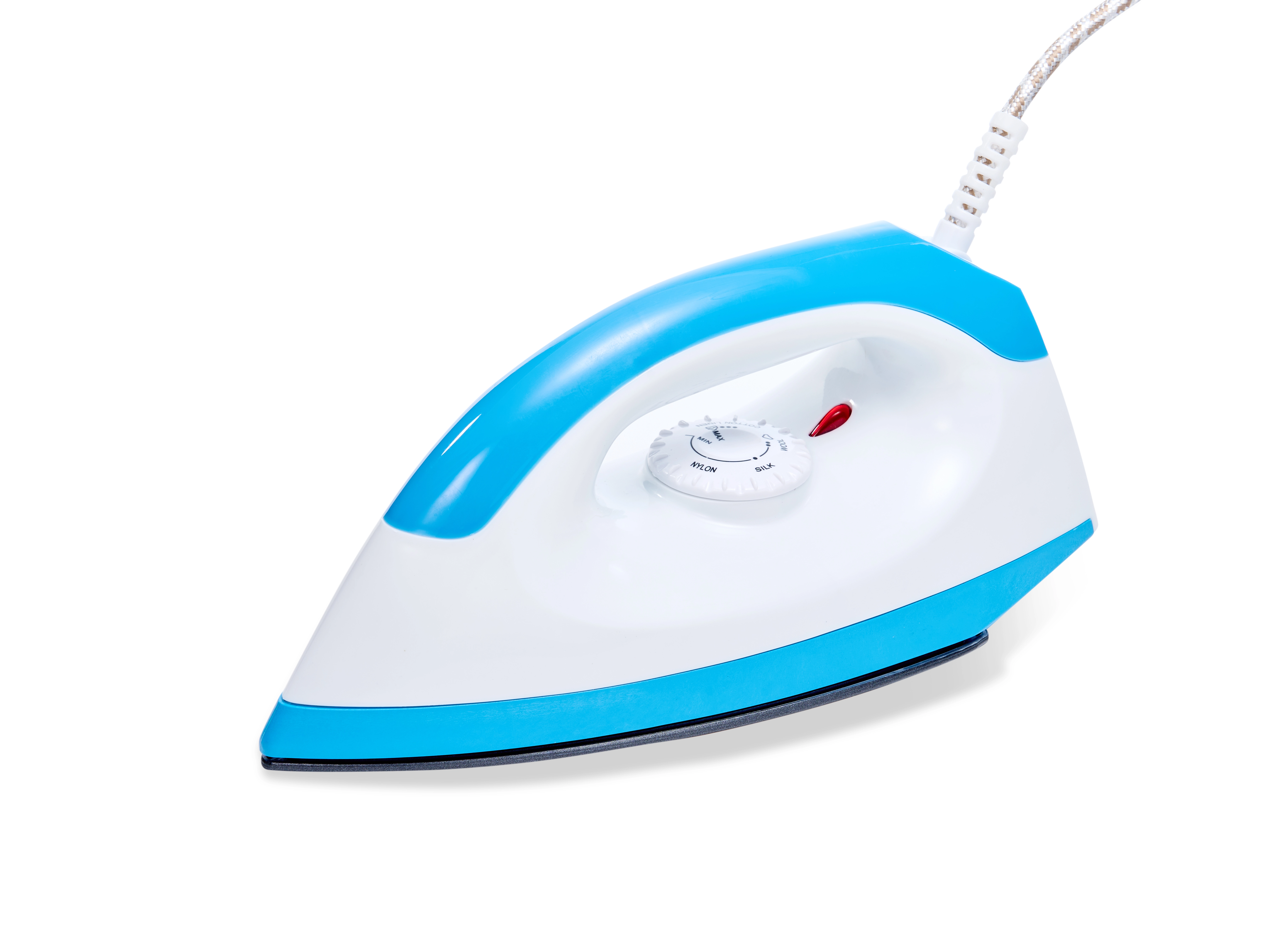
Power and compliance checks protect your business from immense legal and physical liability. An improperly wired heating element is a massive safety hazard. Cross-reference the actual measured wattage and voltage carefully using digital multimeters. These measured figures must match your contracted commercial steam iron specifications perfectly. A 1500W rated element drawing only 1200W indicates cheap substituted components.
Verify all safety certification marks thoroughly. Look for standard UL, CE, or RoHS symbols depending on your destination market. These important marks must be properly stamped or permanently molded into the plastic casing. Do not accept simple paper stickers. Paper stickers easily peel off in hot, humid laundry environments, causing you to fail local fire code inspections.
Customizations require extra, detailed scrutiny during the audit. You might be evaluating a complex custom commercial steam iron order designed for a specific franchise. If so, verify all bespoke requirements systematically. Check the exact plug types to ensure they fit your target geographic regions. Measure custom braided cord lengths accurately using a tape measure. Confirm the cord length matches the requested specification to allow easy maneuverability around large ironing boards. Ensure any branded casing matches your exact corporate pantone colors perfectly.
Execute hard tech electrical tests to confirm internal safety. Professional inspectors rely on specialized diagnostic tools here. Conduct rigorous Hi-Pot (High Potential) testing first. This machine applies high voltage far beyond normal operating levels. Ensure the internal insulation withstands this extreme voltage without short-circuiting. Earth continuity testing is equally critical. Heavy-duty units often feature exposed metal parts. You must test the ground wire resistance. Proper grounding redirects rogue currents safely away from the user. It prevents dangerous operator shocks in wet environments.
Thermostat calibration directly determines ironing quality. A fluctuating thermostat either fails to remove wrinkles or scorches textiles. Measure the soleplate temperature precisely during operation. Use a calibrated digital thermal probe for this step. Ensure the temperature dial settings accurately match the actual output limits. The heat curve should remain tight. If the dial indicates the "Cotton" setting, the temperature must stay within the exact acceptable range for cotton. Accurate, responsive thermostats prevent severe fabric scorch risks.
Evaluate overall steam functionality comprehensively. The pumping system does the heavy lifting in wrinkle removal. Test the continuous steam function first. Turn the machine to maximum heat. Measure the output volume in grams per minute (g/min). Sustain this continuous test over a strict 10-minute period to ensure the pump does not overheat or stall. Test the burst of steam feature next. Press the burst button repeatedly. Calculate the pump recovery time between strong bursts. A slow recovery indicates a weak internal pump mechanism. Assess the anti-drip mechanism carefully. Try ironing continuously at very low temperatures. The internal bimetal valve must successfully block water leakage when the soleplate cannot vaporize moisture.
Implementation Note: Inspectors will likely find residual moisture inside the tank during this phase. This actually validates the factory production process. The manufacturing facility is conducting proper wet testing before boxing the units. It proves they functionally tested the commercial steam iron on the assembly line.
| Testing Parameter | Methodology | Expected Standard (Pass Criteria) |
|---|---|---|
| Continuous Steam Output | Measure water weight loss over 10 minutes at max temp. | Matches rated g/min specification consistently. |
| Thermostat Accuracy | Thermal probe application at center of soleplate. | Within ±5°C of the designated dial setting. |
| Anti-Drip Efficacy | Operate horizontally on lowest heat setting for 3 mins. | Zero water droplets escaping through the vents. |
| Burst Recovery | Activate steam burst every 5 seconds. | Maintains consistent pressure; no spitting water. |
Transit survivability guarantees intact deliveries across oceans and continents. Perfect products mean nothing if they break during shipping. Conduct standardized carton drop tests before signing off on the lot. We strongly recommend following the ISTA 1A standard. This protocol simulates rough ocean freight shipping and harsh warehouse handling. The test involves dropping the master carton exactly ten times. You drop it on specific corners, edges, and flat faces. You want the retail box and internal EPS foam to absorb the heavy impact. Open the carton afterward. The product inside must remain flawless, and the casing must not crack.
Check overall deployment readiness next. Consider a high-volume hotels commercial steam iron procurement scenario. Housekeeping teams might need to unbox five hundred units in a single afternoon. Verify efficient unboxing procedures. Protective films covering the soleplate must peel off easily without leaving sticky adhesive residue. Sticky residue burns immediately upon first use and ruins the soleplate.
Check the literature and supplementary components. Confirm the inclusion of proper, localized user manuals. Ensure warranty cards are present and correctly printed. Confirm the inclusion of any required daily maintenance accessories. Look for necessary descaling pins, measuring cups, and heat-resistant resting mats. Missing accessories create major friction for the end user.
A rigorous pre-shipment inspection is an essential investment in operational reliability. By strictly auditing physical build, electrical compliance, and steam performance, buyers mitigate expensive downstream risks. You protect your brand reputation and ensure user safety simultaneously. Trusting a factory blindly often leads to disrupted supply chains and massive return freight costs.
Your immediate next-step action is drafting a formalized inspection checklist. Base this document heavily on your contracted specifications and the AQL standards discussed. Decide early whether to utilize internal QA teams or hire specialized third-party inspection services. Independent agencies like SGS or TÜV provide excellent, unbiased factory-level auditing. Empower your procurement team to hold suppliers accountable before the final payment is ever released.
A: Reputable factories conduct 100% functional wet testing on the assembly line to check the pump and steam vents. Minor residual condensation is a mark of QA, not a used product.
A: Most B2B buyers use the ISO 2859-1 (AQL) standard. For a standard commercial order, General Inspection Level II is customary, typically allowing zero critical defects.
A: For initial orders or new supplier relationships, independent third-party inspection is highly recommended to establish an unbiased baseline of quality before funds are released.
A: Inspectors will introduce hard water to a sample unit, run it through multiple high-heat cycles, and activate the self-clean function to verify the ejection of mineral buildup without clogging.


