
Views: 0 Author: Site Editor Publish Time: 2026-08-30 Origin: Site


Garment care has shifted dramatically in recent years. Modern consumers are eagerly moving away from bulky ironing boards. Instead, they seek agile, space-saving alternatives. However, choosing the right device requires looking past clever marketing claims. Failing to match a device's technical capabilities to your actual daily routine causes serious frustration. You might end up ruining expensive garments due to unexpected water spots. You could suffer ergonomic fatigue from poorly balanced designs. You might also experience inadequate wrinkle release right before an important meeting.
Modern wardrobes feature many synthetics and delicate blends. Heavy presses no longer suit everyday apparel. Therefore, understanding the mechanics of wrinkle removal saves you precious time. This guide provides a definitive framework for evaluating these compact tools. We rely on verified performance metrics and real-world physical limitations. We also examine sourcing reliability to help you decide. By understanding these exact parameters, you ensure your clothing always looks immaculate.
Before evaluating specific models, clarify physical limitations and intended outcomes. This baseline decision prevents you from buying the wrong tool. Mismatched expectations lead to immediate buyer remorse.
Every garment care tool serves a specific primary function. Steamers relax fabric fibers using hot moisture. Irons crush fibers flat using heavy mechanical weight. You must understand this fundamental difference. It dictates how your clothes will ultimately look and drape.
These devices excel in agility and gentle fabric care. They transform how we handle delicate wardrobes safely.
Sometimes, you truly need gravity, heavy weight, and intense direct heat.
Position the handheld unit as a high-efficiency secondary tool for structured garments. Alternatively, make it your primary tool for soft-drape wardrobes. It handles ninety percent of everyday synthetic blends effortlessly.
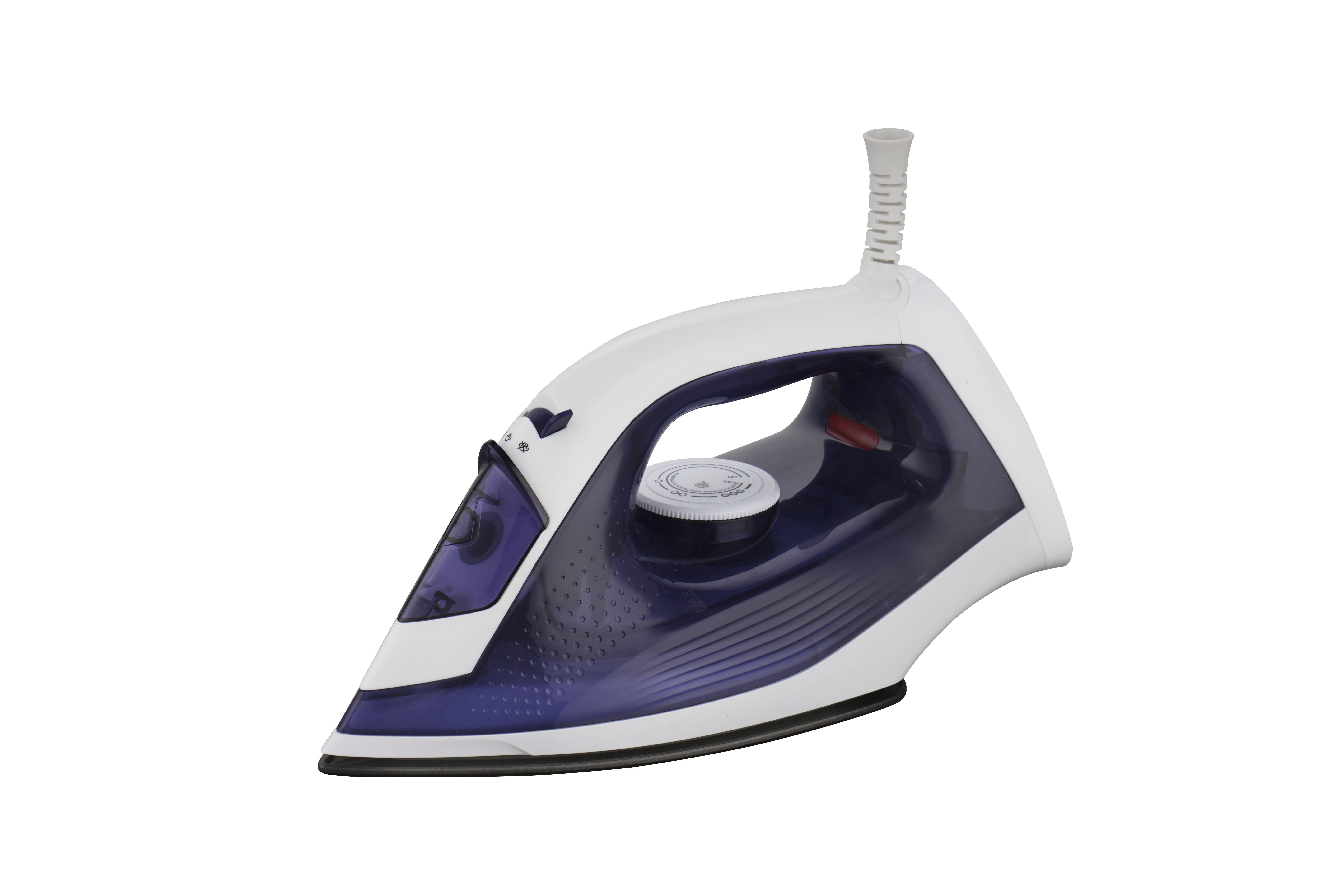
Marketing fluff often hides mediocre performance. We must rely on hard metrics to uncover true capabilities. Reviewing your target handheld steam iron specifications protects you from underperforming gadgets.
Instruct yourself to look for at least 15–20 Grams Per Minute (GPM). This metric guarantees effective, single-pass wrinkle release. Lower output requires you to swipe the same fabric spot repeatedly. High GPM ensures deep moisture penetration into stubborn fiber bonds.
The standard sweet spot lands between 1000W and 1500W. Higher wattage directly dictates a faster heat-up time. Ideally, your unit should be ready in under 40 seconds. Robust wattage also ensures consistent steam pressure. It prevents annoying sputtering during continuous operation. Travel units often dip below 1000W, sacrificing power for size.
Portability fights a constant battle against maximum runtime. Consider the standard formula for device efficiency. A 100ml tank yields roughly 5–7 minutes of steam. This amount covers one to two standard garments comfortably. Larger tanks exceeding 250ml reduce your refill frequency. However, they introduce a significant ergonomic risk. The added water weight causes serious wrist fatigue during extended laundry sessions.
Different materials affect how the head glides over fabric. Compare the options below to find your ideal match.
Soleplate Material Comparison
| Material Type | Primary Advantages | Potential Drawbacks |
|---|---|---|
| Ceramic | Offers superior heat distribution. Snags far less on delicate fabrics. | Slightly heavier. Can chip if dropped on hard floors. |
| Stainless Steel | Highly durable. Very easy to clean and maintain over time. | Heats unevenly on cheaper models. Might drag on synthetics. |
| Plastic | Extremely lightweight. Keeps the overall device cost very low. | Prone to warping. Often drags or catches on softer materials. |
Every user faces distinct operational constraints. You must find the architecture perfectly suited to your specific daily routine. Using a standard steam iron might not fit your mobile lifestyle.
Space constraints strictly define this category. Flat packing remains a high priority for frequent flyers.
Comfort and extended reach take priority here. You want features designed for larger home laundry loads.
Commercial environments demand severe resilience. Retailers cannot afford equipment downtime between busy customer rushes. Focus on continuous runtime capabilities. Fast temperature recovery is absolutely essential. Commercial-grade durability ensures the unit survives rough back-of-house apparel prep.
Even top-tier products face severe limitations if misused. Recognize these warning signs early to protect your garments.
Cheap units often spit boiling water directly onto your clothes. Poor heating element design usually causes this defect. Overfilled tanks also lead to violent sputtering. This boiling water easily damages delicate silk. It also leaves stubborn, ugly mineral rings on dark fabrics. Always wait for the indicator light to turn solid before pressing the trigger.
Hard water acts as an invisible enemy inside your device. You must prioritize models featuring built-in anti-calc technology. Alternatively, enforce strict distilled water usage in your home. Scale buildup quickly blocks internal steam vents. Blocked vents ruin efficiency and eventually destroy the heating chamber completely. Descaling your unit monthly prevents this catastrophic failure.
Beware of highly top-heavy designs. Some units place the heavy water tank too far from the grip center. This poor geometry forces your wrist into awkward angles. Prolonged use causes severe wrist strain and physical discomfort. Always test the center of gravity if possible. A well-balanced device feels significantly lighter during use.
Whether you run a business or want direct-from-manufacturer pricing, vendor vetting matters. A reliable handheld steam iron requires solid manufacturing backing.
This structured evaluation process applies directly to B2B buyers and boutique owners. It also heavily benefits regular consumers exploring wholesale options for bulk gifting.
A credible handheld steam iron supplier must provide verifiable CE, RoHS, or UL certifications. These vital documents confirm strict electrical safety standards. They protect your home or business premises from dangerous fire hazards. Never purchase uncertified heating appliances.
Look for manufacturing partners conducting 100% water and steam testing prior to final packaging. This thorough testing explains a very common consumer mystery. It reveals exactly why brand new units sometimes arrive featuring tiny water droplets inside the tank. It proves the factory actually tested your specific unit.
Demand a minimum 1-year replacement warranty from the vendor. You also desperately need accessible replacement parts. Items like inner silicone seals or spare water tanks extend the device's lifespan significantly. Good suppliers maintain active parts inventories for older models.
The best choice relies entirely on a calculated balance. You must carefully weigh steam power against water tank weight. You also need to accommodate your specific use-case constraints. There is no universally perfect model for everyone.
Take immediate action today. Audit your current wardrobe carefully. Distinguish your soft drape clothing from your heavily structured cotton pieces. Determine your primary usage location. Will you steam out of a cramped suitcase or inside a spacious laundry room? Clarify these important details before finalizing a purchase or contacting a reliable supplier. Doing so guarantees a frustration-free garment care experience.
A: No. It replaces the iron for knits, delicates, and quick touch-ups. However, it cannot create sharp creases or effectively press heavy cotton and thick linen. Use it as a complementary tool rather than a full replacement for heavily structured garments.
A: Yes, it is highly recommended. Unless the handheld steam iron specifications explicitly state it has a self-cleaning anti-calc system, tap water will drastically shorten the device's lifespan. Minerals present in tap water quickly clog the internal steam vents and degrade the heating element.
A: This issue usually happens when you do not let the unit fully pre-heat before pressing the trigger. It is also caused by overfilling the water tank past the maximum line. Finally, holding a non-pump-action steamer at a horizontal angle forces unheated water through the nozzles.


