
- All
- Product Name
- Product Keyword
- Product Model
- Product Summary
- Product Description
- Multi Field Search
Views: 0 Author: Site Editor Publish Time: 2026-10-16 Origin: Site


Relying on random hotel irons is a massive gamble. You risk scorched fabrics right before a critical event. Meanwhile, cheap travel steamers frequently spit boiling water across the room. They lack the raw power needed to remove deep creases from your clothes. The travel retail market makes this problem even harder to solve. Duty-free shops, luggage specialty stores, and online marketplaces flood buyers with compact devices. These products constantly push exaggerated performance claims. You need a reliable way to cut through the noise. This article establishes a clear, evidence-based framework for evaluating these travel tools. You will learn how to balance strict luggage constraints with professional-grade garment care. We will explore power requirements, soleplate materials, and anti-drip technologies. Read on to discover exactly what matters most when upgrading your travel wardrobe toolkit.
Every traveler understands the high cost of wardrobe failure. You pack carefully for business meetings, destination weddings, or major conferences. However, transit inherently crushes fabrics. Arriving at a venue wearing wrinkled clothes damages your professional presentation instantly. A high-quality portable steam iron eliminates this specific anxiety. It ensures you always look polished upon arrival.
Luggage economy presents another major hurdle for modern travelers. Airlines strictly enforce cabin weight limits. Carry-on space remains incredibly valuable. Therefore, you must evaluate the weight-to-utility ratio of any new travel device. A garment care tool must justify its footprint in your suitcase. Ideally, the entire unit should weigh under 2.5 pounds. Bulky appliances simply do not belong in a modern traveler's kit.
Time efficiency dictates the final success criterion. We call this the time-to-value metric. Success means moving from a packed suitcase to a wearable garment rapidly. You should complete this process in under five minutes. You should not need to hunt for a hotel ironing board. You also cannot waste time waiting for a massive water reservoir to heat up. A successful tool delivers immediate, actionable results.
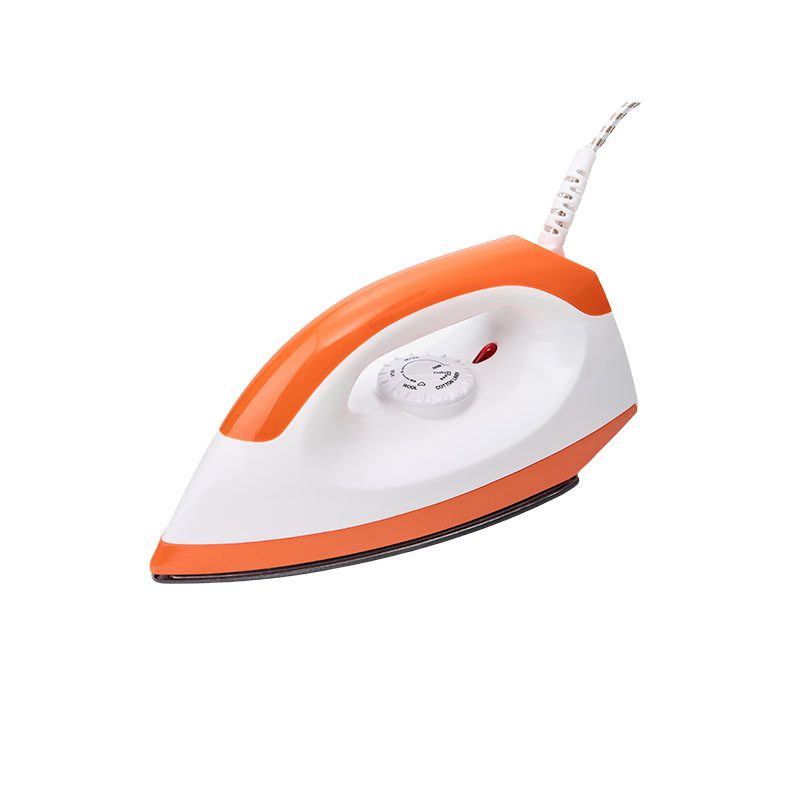
Travelers usually choose between three distinct categories of garment care devices. Understanding the technical differences helps you make an informed decision. Let us examine the pros and cons of each solution.
These devices mimic full-sized household irons in a miniature format. They rely purely on hot metal to smooth out fabrics.
These units boil water to release a gentle cloud of vapor. They are highly popular in airport retail stores.
This category represents the pinnacle of travel garment care technology. It merges the active pump-steam action of a steamer with a heated metal or ceramic soleplate. This dual-action approach delivers superior results.
You can press clothes horizontally on a bed covered by a thick towel. Alternatively, you can steam them vertically right on the hanger. This hybrid approach covers all fabric types and situational constraints flawlessly.
Garment Care Device Comparison
| Device Category | Primary Function | Ideal Fabric Types | Setup Requirement |
|---|---|---|---|
| Traditional Option | Dry heat pressing | Heavy cotton, denim | Flat surface required |
| Vapor-Only Option | Vertical vapor release | Silk, delicate synthetics | Hanger only |
| Hybrid Option | Heated plate plus vapor | All fabric types | Flexible (Vertical or Horizontal) |
Shopping in the travel retail space requires a critical eye. Duty-free displays often mask inferior technology behind sleek packaging. You must evaluate any potential purchase across four core dimensions.
Electrical safety is your most important consideration. You must look for a manual 120V/240V switch on the device. Many travelers mistakenly believe plug adapters convert voltage. They do not. Devices lacking true dual-voltage circuitry will literally fry when plugged into foreign outlets. A premium plug adapter cannot save a single-voltage appliance.
Furthermore, you must check the wattage. The optimal wattage for travel falls between 800W and 1000W. Beware of highly marketed 1500W+ models. These high-draw devices frequently trip electrical breakers in older hotels or on cruise ships.
You must evaluate the internal pump system of your mini handheld steam iron carefully. Cheap, gravity-fed models consistently spit hot water onto your clothes. This ruins delicate silks and leaves water spots on dress shirts.
Instead, look for electronic pump systems. These advanced pumps vaporize water completely before it ever reaches the nozzle. Additionally, check the packaging for 360-degree leak-proof certifications. A quality device must operate safely even when turned completely upside down.
The heating surface directly dictates the quality of your results. Different materials offer vastly different outcomes.
Bigger water tanks do not equal better travel appliances. A large tank adds unnecessary bulk and significant weight. You should target a 50ml to 100ml tank instead.
This compact size provides roughly 5 to 8 minutes of continuous steam. That gives you plenty of time to touch up two full outfits. You achieve this without carrying around useless dead weight in your carry-on luggage.
Even the best travel appliances face real-world operational risks. Traveling introduces unpredictable variables. Understanding these risks helps you extend the lifespan of your equipment.
Mineral scaling acts as the number one killer of travel appliances. Hotels in different regions have wildly varying water hardness levels. Hard water clogs tiny internal vents quickly. This causes the device to sputter and eventually fail.
You should actively look for devices featuring self-cleaning functions or built-in calc-collectors. Whenever possible, acknowledge the necessity of using distilled water. Buying a cheap bottle of distilled water at your destination saves your appliance from premature death.
Space-saving features often introduce structural vulnerabilities. Folding handles are fantastic for packing efficiently into tight corners. However, they introduce mechanical weak points into the chassis.
You apply downward pressure when pressing clothes. A weak plastic locking mechanism will eventually snap under this force. Ensure the hinge and locking mechanism are reinforced with metal components. Avoid cheap plastic joints that flex when you grip them firmly.
Travelers usually pack in a frantic hurry. You might finish touching up a shirt just minutes before checking out. A hot device presents a massive packing liability. A heated plate takes time to lose its thermal energy.
A device taking 45 minutes to cool down is a fire hazard. It will melt nylon packing cubes and damage nearby toiletries. Look for brands including heat-resistant travel pouches in the box. Alternatively, seek out models featuring silicone resting mats. These accessories allow you to pack the unit safely while it remains slightly warm.
Navigating the crowded retail market requires a systematic elimination process. Follow this simple shortlisting logic to find the perfect match for your travel style.
Purchasing a reliable portable steam iron represents a direct investment in your professional autonomy on the road. It frees you from the unpredictability of hotel amenities and expensive laundry services. By evaluating devices through a strict technical lens, you can easily bypass the gimmicks found in travel retail spaces.
Focus your selection process on safety and efficiency. Choose a hybrid design to handle multiple fabric types effortlessly. Ensure your chosen model features an electronic pump to prevent messy water leaks. Always compromise on water tank size to save crucial luggage weight. However, you must never compromise on dual-voltage circuitry or reliable anti-drip technology. Following these guidelines guarantees you will step out of any hotel room looking impeccably sharp and ready for success.
A: Yes, TSA and international aviation authorities allow empty steam irons in carry-on bags. Ensure the water reservoir is completely dry before airport security.
A: No. You only need a simple plug adapter to fit the wall socket. The device's internal switch handles the electrical conversion.
A: Usually caused by overfilling the tank, not letting the device reach full operating temperature before pressing the steam button, or hard water mineral buildup blocking the vaporization chamber.


