
- All
- Product Name
- Product Keyword
- Product Model
- Product Summary
- Product Description
- Multi Field Search
Views: 0 Author: Site Editor Publish Time: 2026-09-30 Origin: Site


Securing heavy-duty equipment for large-scale operations demands absolute precision. B2B procurement presents a constant challenge. You must balance capital allocation against strict operational readiness. Retail boutiques, hospitality chains, and dry cleaning facilities cannot afford deployment delays. High inventory holding costs drain your working capital rapidly.
Poor planning introduces severe business risks. Stockouts delay facility launches. This causes immense daily revenue loss. Conversely, accepting excessive minimum order quantities (MOQs) ties up essential cash flow. Unused equipment sitting in warehouses does not generate profit. It only generates storage fees.
This guide establishes a robust decision framework. You will learn how to align purchasing volume directly with production schedules. We also explore how to match your deployment needs against specific supplier capabilities. Understanding these variables ensures smoother operational rollouts. It ultimately protects your bottom line from hidden logistical traps.
Procurement teams face a constant struggle. They must balance upfront costs, inventory volume, and delivery speed. This delicate balance dictates your entire operational timeline.
Every equipment purchase involves a strict triangle of constraints. Lowering unit costs directly impacts capital. Suppliers usually demand higher MOQs for cheaper per-unit pricing. Committing to larger orders ties up significant cash. It also extends manufacturing timelines. Factories need more days to source components for massive orders. They need extra shifts to assemble them. You must decide where your priority lies. Do you need the equipment fast? Or do you need the lowest possible unit price?
Calculating the true financial impact of bulk equipment is critical. Storing hundreds of large boxes requires expensive warehouse space. These inventory holding costs add up quickly. However, you must weigh this against operational urgency. Delayed hotel or laundry facility openings cost thousands daily. Lost revenue always dwarfs warehouse fees. You need a strategy to stage deliveries precisely.
Common Mistake: Buyers often accept massive MOQs just to secure a 10% discount. They then lose 20% of their budget on long-term warehouse storage fees.
Committing to a high-MOQ order carries inherent risks. You should never order in bulk before running a pilot test. Real-world commercial environments are harsh. Equipment faces constant daily abuse. If the machines fail early durability tests, you face a disaster. You are left holding unsellable dead stock. Phased testing mitigates this specific risk entirely.
Financial Impact: Holding Inventory vs. Delayed Launches
| Procurement Strategy | Initial Capital Outlay | Storage Expenses | Risk of Operational Delay |
|---|---|---|---|
| Low MOQ (Urgent Lead Time) | Low to Moderate | Minimal | Very Low |
| High MOQ (Bulk Purchase) | High | Significant | Moderate (Due to production time) |
| Phased Deliveries (Split Orders) | Moderate | Low | Low |
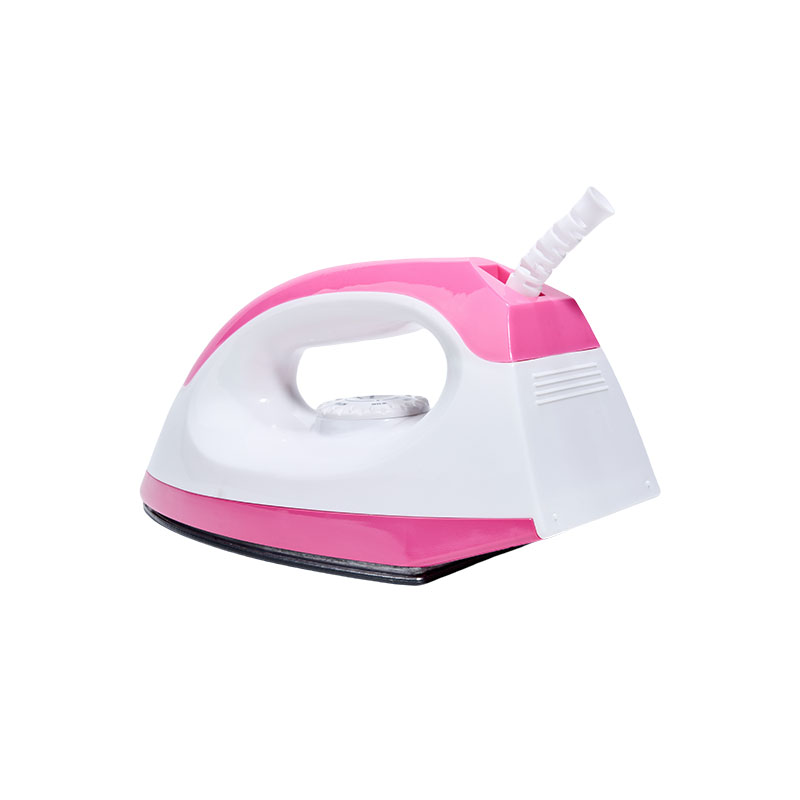
Equipment specifications dictate your purchasing requirements. Suppliers base their minimum orders strictly on production complexity.
Standard wholesale models provide the lowest barriers to entry. Factories often share production lines for these units with heavy-duty steam iron manufacturing. Shared components mean suppliers can offer much lower MOQs. You can usually secure 50 to 150 units easily.
However, customized equipment changes the rules entirely. A purpose-built vertical clothes steamer for commercial garment applications requires specific components. These might involve custom boiler capacities. They might need reinforced silicone hoses. Suppliers must source these specialized parts from sub-vendors. Therefore, they demand higher MOQs. Expect minimums of 300 to 500+ units to cover their specialized sourcing costs.
Corporate identity matters in retail and hospitality. Adding custom logos requires new silkscreen templates. Specifying exact Pantone colors requires mixing custom plastic injection batches. These branding adjustments scale MOQ requirements upward. Factories cannot run a custom color batch for just 50 units. They usually require at least 500 units to justify the machine setup time.
Smart buyers never skip the testing phase. You must employ strategies for negotiating a pilot run. Request a small MOQ of 10 to 20 units initially. Expect to pay a slight premium per unit for this privilege. This allows you to validate machine performance. You can test durability before making a massive bulk commitment.
Best Practice: Frame your trial order as phase one of a larger contract. Suppliers are more willing to drop initial MOQs if they see a clear 12-month purchasing forecast.
Understanding production phases prevents launch day surprises. B2B procurement timelines require strict buffering.
Production does not start immediately upon payment. The factory first procures raw materials. They order thick brass fittings. They source extruded aluminum poles. They procure specific dual-core heating elements. Sub-vendor delays often happen here. Buffer this phase carefully.
Next comes the actual production line assembly. Workers piece the units together systematically. Mandatory continuous-run testing follows assembly. These aging tests verify commercial durability. Factories run sample units for 72 hours straight. They check for boiler leaks and thermostat failures.
Safety is non-negotiable for commercial equipment. You must allocate time for verifying safety standards. CE, UL, or ETL requirements vary based on your destination market. If you requested structural changes, the lab must re-test the unit. This process can add weeks to your timeline.
Transit times dictate your final delivery date. Sea freight remains cheaper but takes 30 to 40 days. Air freight is faster but exponentially more expensive. Always buffer for port congestion. Customs clearance delays frequently disrupt tight schedules.
Customizing technical features introduces significant supply chain friction. Every technical tweak extends your lead time.
Electrical standards vary wildly across global markets. Specifying regional requirements adds complexity. The 110V standard used in the US differs entirely from the 220V EU standard. Modifying voltage is not just a plug swap. It requires entirely customized electrical components. Factories must rewind heating coils. They must install different internal fuses. This customization routinely adds 10 to 15 days to initial lead times.
Durability demands distinct physical upgrades. Requesting heavy-duty commercial garment steamer specifications requires specialized manufacturing slots. You might demand dual-core heating systems. You might require enlarged stainless steel water tanks. Standard assembly lines cannot process these upgrades instantly. The factory must re-tool their machinery. They must schedule dedicated shifts for your specific build. This specific scheduling delays standard production.
Regulatory red tape is a major bottleneck. Corporate buyers often request new safety certifications for localized operational compliance. Updating documentation is slow. Independent testing laboratories operate on their own schedules. Expect an additional two to three weeks if your requested modifications trigger a new safety audit.
Your relationship with the manufacturer dictates your success. Choosing the wrong partner guarantees delays and defective units.
You must differentiate between true manufacturers and trading companies. A manufacturer with in-house R&D offers deep technical support. They control their assembly lines directly. This gives them flexibility with MOQs. It also provides production transparency. A reliable commercial garment steamer supplier welcomes video tours of their factory. Trading companies merely act as middlemen. They often enforce rigid minimums and hide production delays.
Managing a massive order requires strategic logistics. Do not accept a lump-sum delivery if warehouse space is tight. Learn how to structure a large contract into phased deliveries. Imagine you order 500 units of a robust commercial garment steamer. Negotiate to receive 100 units immediately. Schedule the remaining 400 units over the next three quarters. This strategy expertly manages cash flow. It drastically reduces your immediate warehouse footprint.
Handshake deals fail in international procurement. You must establish strict Service Level Agreements. Put every expectation in writing before transferring funds. Protect your investment rigorously.
Navigating B2B equipment procurement requires a disciplined approach. First, explicitly define your technical specs. Second, firmly request a pilot MOQ. You must validate real-world performance before moving forward. Finally, negotiate phased bulk deliveries to protect your working capital.
Remember, the cheapest unit price is rarely the most cost-effective solution. A low price loses its value if it dictates an unsustainable MOQ. It becomes useless if tied to an unreliable lead time. Delayed operations cost far more than equipment discounts.
Take action today. Outline your comprehensive 12-month deployment schedule immediately. Do this before initiating any supplier outreach. Clear internal forecasting gives you immense leverage during supplier negotiations.
A: Yes, many suppliers offer this flexibility. Some manufacturers allow combining a heavy-duty vertical steamer with a standard commercial steam iron. This helps you meet the overall financial threshold. However, it depends entirely on their specific production line setups. Always ask the factory if they support mixed-container orders.
A: A standard order is significantly faster. You can expect delivery 30 to 45 days sooner than custom orders. Standard off-the-shelf units utilize readily available molds. They also possess existing, verified safety certifications. OEM/ODM orders require fresh component sourcing and mandatory lab testing.
A: Yes, this is standard B2B industry practice. You will pay a premium for the initial sample and expedited shipping. However, credible suppliers credit these sample costs back to you. They deduct the amount once the agreed MOQ bulk contract is officially signed.


