
- All
- Product Name
- Product Keyword
- Product Model
- Product Summary
- Product Description
- Multi Field Search
Views: 388 Author: Site Editor Publish Time: 2026-02-10 Origin: Site


Looking sharp is all about how well you maintain your clothes. A well-ironed outfit speaks volumes. Choosing between a traditional dry iron and a steam iron can be confusing. In this article, we will break down the differences to help you choose the right one for your needs.
A traditional dry iron works by heating a metal plate, which then presses against the fabric to remove wrinkles. This process relies purely on heat and pressure, with no steam involved. As the iron heats up, it smoothens out wrinkles by applying direct heat to the fabric, effectively flattening it. The simplicity of the design makes it easy to use, with minimal settings to worry about.
Dry irons are best suited for fabrics that don't require moisture to smoothen out wrinkles. For example, synthetic fibers, wool, and lightweight cotton can be effectively ironed with a dry iron. These materials don't tend to wrinkle as easily as heavier fabrics, and dry heat can easily remove any small creases that occur. However, dry irons might struggle with thicker materials or fabrics that need a bit of moisture to get rid of deep wrinkles.
The biggest advantage of using a traditional iron is its simplicity. There are no complex settings, just heat adjustment according to the fabric type. Dry irons are typically more durable and require less maintenance since they have fewer parts and no water tanks to worry about. They're also less expensive compared to steam irons, making them a budget-friendly option for occasional use.
Despite their reliability, dry irons come with limitations. They are not as effective on fabrics that require moisture for wrinkle removal, such as linen or heavier cotton. Dry irons may also require more effort and time to remove stubborn wrinkles, especially on thicker fabrics. Without the added functionality of steam, these irons may not deliver the same level of wrinkle-free results on more delicate or heavy fabrics.
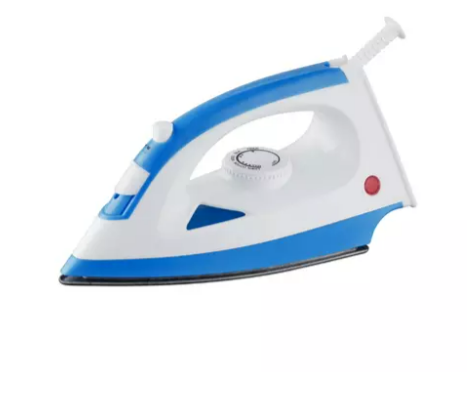
A steam iron, as the name suggests, uses steam in addition to heat to remove wrinkles. The iron features a water tank that heats the water into steam, which is then released through small vents in the soleplate. This steam helps to relax the fibers in the fabric, making it easier to smooth out even the toughest wrinkles. Steam irons often include additional features like steam bursts, which can tackle stubborn creases more effectively.
Steam irons are ideal for fabrics that tend to wrinkle easily, such as cotton, linen, and silk. These fabrics benefit from the moisture released by the steam, which helps to soften the fibers and smooth them out quickly. Steam is also useful for heavier materials like denim, which might require a bit of moisture and heat to remove deep wrinkles. With steam, you can tackle a variety of fabrics without the risk of damaging them.
Steam irons are incredibly versatile. They are capable of tackling all kinds of fabrics, from delicate silks to heavy denim, and the steam helps remove stubborn wrinkles faster than dry irons. Steam irons also reduce the need for constant water spraying, as the moisture is released automatically, which is especially helpful when dealing with larger loads of laundry. The steam technology makes ironing quicker and easier, with fewer passes needed for a smooth, crisp finish.
One of the main drawbacks of steam irons is their maintenance requirements. The water tank needs to be refilled regularly, and the steam vents need to be cleaned periodically to avoid clogging from mineral deposits. Steam irons are also typically more expensive than dry irons due to the added technology and features. Additionally, they tend to be bulkier, which can make them less convenient for storage, especially in smaller spaces.
The most obvious difference between a traditional dry iron and a steam iron is the heating method. A dry iron uses direct heat to press the fabric, while a steam iron relies on both heat and steam to remove wrinkles. The steam in a steam iron helps penetrate the fabric more deeply, making it easier to smooth out even stubborn wrinkles.
While a dry iron can handle basic fabrics, steam irons excel at removing wrinkles from delicate and heavier fabrics. For example, a steam iron works wonders on fabrics like linen or cotton, which benefit from the moisture released during ironing. On the other hand, a dry iron might struggle with thicker or more delicate materials that require the moisture and heat combination for best results.
In terms of design, dry irons are typically lighter and more compact. They don’t have the added bulk of a water tank or steam vents, which makes them easier to handle and store. Steam irons, on the other hand, tend to be bulkier because of the water tank and additional features. However, this extra weight can contribute to a more efficient ironing process, as the steam helps the iron glide smoothly over fabrics.
Dry irons consume less energy since they only rely on heat. They are also less expensive, making them a more affordable option for those on a budget or those who iron infrequently. Steam irons, while more expensive, are more efficient at removing wrinkles and generally offer a quicker ironing experience. They tend to consume more energy due to the additional steam functionality, but the time saved during ironing might justify the higher cost for some users.
Feature | Traditional Iron | Steam Iron |
Heating Method | Direct heat | Heat + Steam |
Best For | Simple fabrics | Delicate and stubborn fabrics |
Speed | Slower, requires more passes | Faster wrinkle removal |
Cost | Less expensive | More expensive |
Maintenance | Low | Requires descaling and vent cleaning |
Versatility | Limited | High (works on most fabrics) |
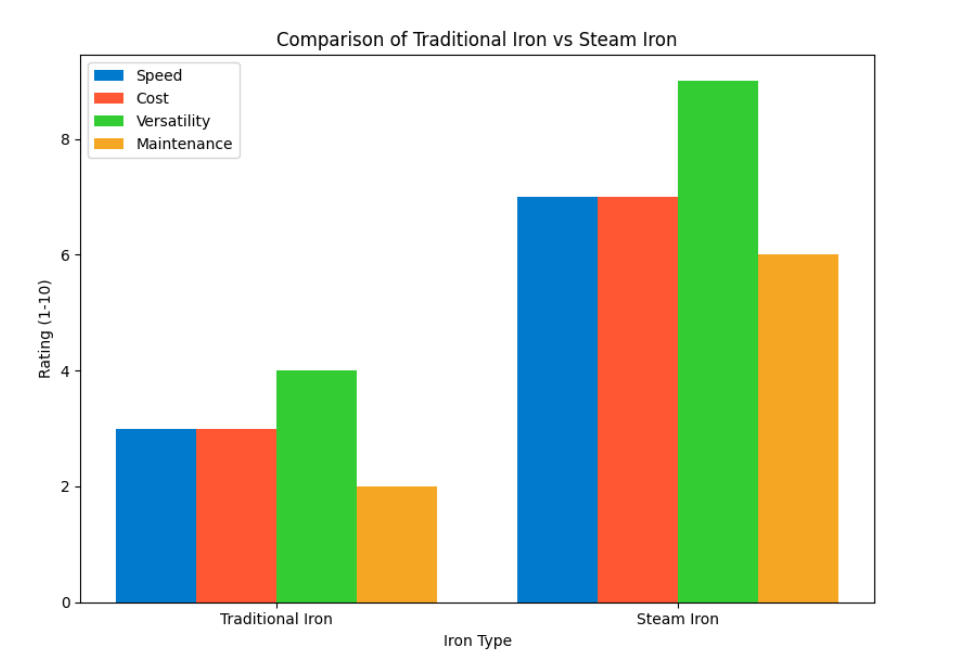
When deciding between a traditional dry iron and a steam iron, consider the types of fabrics you frequently iron. If you mainly iron lightweight or synthetic fabrics, a dry iron might suffice. However, if you deal with a variety of fabrics, particularly those that wrinkle easily like cotton or linen, a steam iron is likely the better choice. Additionally, think about the frequency of use – steam irons are perfect for regular ironing sessions, while dry irons work well for occasional use.
Budget is another important consideration. If you're looking for a simple, cost-effective option for basic ironing tasks, a dry iron can do the job. However, if you need faster, more efficient wrinkle removal, and are willing to invest a little more, a steam iron offers better performance. Keep in mind that steam irons typically come with advanced features like adjustable steam levels and burst steam functions, which can make ironing easier and more effective.
Steam irons offer greater versatility, especially for handling a variety of fabrics and stubborn wrinkles. They also tend to be more convenient for quick touch-ups, as you don’t need to manually apply water or adjust the settings constantly. Dry irons are more straightforward, but may require additional effort when dealing with heavy fabrics or stubborn wrinkles.
Dry irons are generally easier to maintain due to their simple design. With fewer moving parts and no water tank, there is little to clean other than the soleplate. Regular wiping of the soleplate and ensuring the temperature control works properly is usually sufficient.
Steam irons require more upkeep, as the steam vents can become clogged with mineral deposits from the water. Regular descaling and cleaning of the water tank and steam vents are essential to keep the steam iron functioning effectively. Despite the extra maintenance, steam irons tend to last longer when properly cared for.
Dry irons are typically more durable than steam irons due to their simpler design. Since they have fewer parts and no steam vents to maintain, they are less likely to break down over time. Steam irons, on the other hand, may require more maintenance, but with proper care, they can offer long-lasting performance.
Task | Frequency | Description |
Descaling the water tank | Every 1-3 months | Remove mineral buildup to maintain steam output. |
Cleaning the steam vents | After every 5-10 uses | Prevent clogging by wiping out mineral deposits. |
Wiping the soleplate | After every use | Keep the plate smooth and free from residue. |
If you frequently iron a variety of fabrics and deal with large amounts of laundry, a steam iron is the ideal choice. Its ability to quickly and effectively remove wrinkles from delicate and heavy fabrics makes it perfect for busy households. The versatility of steam irons also means you can use them for touch-ups, making them a more flexible option for daily use.
For those who don’t need to iron frequently or who mainly deal with lightweight fabrics, a traditional dry iron is a great choice. They are simpler to use, less expensive, and require minimal maintenance, making them perfect for occasional use. If you prefer a no-fuss approach to ironing, a dry iron can be a reliable and cost-effective option.
For the most comprehensive ironing experience, you may want to consider owning both a steam iron and a traditional dry iron. A steam iron can handle most fabrics and offer quicker results, while a dry iron can still be useful for lighter ironing tasks or when you need more control.
Both traditional dry irons and steam irons have their advantages. Steam irons are ideal for regular use and delicate fabrics, while dry irons suit occasional ironing and simpler materials. Understanding these differences helps you choose the right iron for your needs, ensuring crisp, well-pressed clothes. Products from Ningbo Lingqiu Electric Appliance Co., Ltd. provide excellent ironing solutions, delivering efficiency and value for your home.
A: A traditional iron uses direct heat to press clothes, while a steam iron combines heat and steam to remove wrinkles more efficiently, especially for stubborn creases.
A: A steam iron is ideal for fabrics like cotton, linen, and silk, which benefit from moisture to smooth out wrinkles.
A: Steam irons penetrate deeper into fabric with steam, making it easier to smooth out tough wrinkles in materials like denim and wool.
A: Yes, a steam iron works well on delicate fabrics, as the steam helps to remove wrinkles without applying excessive heat.
A: Regularly clean the steam vents and descale the water tank to ensure your steam iron works efficiently and lasts longer.
A: Yes, steam irons are typically more expensive due to their added functionality, but they offer better performance for a variety of fabrics.
A: Choose a steam iron for frequent use and delicate fabrics, while a traditional iron is perfect for occasional use on simpler fabrics.


