
- All
- Product Name
- Product Keyword
- Product Model
- Product Summary
- Product Description
- Multi Field Search
Views: 358 Author: Site Editor Publish Time: 2026-02-14 Origin: Site


Ironing can often feel like a tedious task, but it’s essential for keeping clothes looking crisp and polished. With the right approach, it doesn’t have to be a chore. In this article, we will explore five ironing tips that everyone should know to make the process easier and more effective. Whether you’re using a steam iron or a traditional one, these tips will help you achieve smooth, wrinkle-free clothes in less time.
When it comes to ironing, one of the first decisions you’ll need to make is choosing between a steam iron and a dry iron. Steam irons are the most popular choice because they help remove wrinkles quickly and efficiently, especially from fabrics like cotton, linen, and polyester. The steam helps relax the fabric fibers, making it easier to press out stubborn wrinkles. On the other hand, dry irons are ideal for delicate fabrics like silk or wool, which can be damaged by excess moisture. Dry irons do not produce steam and are often lighter, making them easier to maneuver on fabrics that require more control.
Feature | Steam Iron | Dry Iron |
Heat Control | Adjustable with steam burst feature | Limited heat control without steam feature |
Best For | Removing stubborn wrinkles, delicate fabrics | Light fabrics, moisture-sensitive materials |
Maintenance | Requires cleaning to remove mineral build-up | Simple, no cleaning required |
Convenience | Faster results due to steam production | Slower, suitable for low-moisture garments |
Fabric Compatibility | Works well with most fabrics, especially thicker fabrics like cotton | Best for light fabrics like silk and polyester |
When choosing a steam iron, there are several features that can make a significant difference in the ironing process. First, look for adjustable temperature settings that allow you to tailor the heat to different fabric types. This flexibility ensures you can safely iron everything from delicate silks to sturdy cottons. Additionally, a larger water tank capacity means less frequent refills, making it more convenient for longer ironing sessions. Features like a steam burst function can help tackle stubborn wrinkles with a concentrated burst of steam. A smooth, non-stick soleplate is also essential for a seamless ironing experience, preventing the iron from sticking to your clothes or leaving marks.
Proper maintenance of your iron ensures that it continues to work effectively for a long time. If you are using a steam iron, it’s crucial to clean it regularly to prevent the build-up of mineral deposits, which can clog the steam vents. Many modern steam irons come with a self-cleaning function, which simplifies this task. After each use, be sure to empty the water tank to prevent any residual moisture from causing issues. You should also clean the soleplate regularly to avoid any residue or dirt buildup that could transfer to your clothes during ironing.
Before you begin ironing, it's essential to sort your clothes by fabric type to ensure you apply the correct temperature. Each fabric has specific heat requirements, and using the wrong setting can damage your clothes. For example, cotton fabrics can handle high heat, while delicate fabrics like silk require low temperatures. Sorting your clothes helps you avoid scorching or damaging sensitive fabrics while ensuring a more efficient ironing process.
For smoother ironing, it is helpful to slightly dampen your clothes before you begin. This works especially well for fabrics like cotton and linen, which can often be resistant to pressing. You can achieve this by using a spray bottle filled with water and lightly misting the fabric. Dampening the clothes helps relax the fibers, making them easier to iron and reducing the need for excessive pressure. Additionally, ironing slightly damp clothes helps achieve a crisp finish, especially on fabrics that are prone to stubborn wrinkles.
One of the most common mistakes people make when ironing is not checking for stains before they begin. Ironing over a stain can set it into the fabric, making it much more difficult to remove later. Always inspect your clothes thoroughly before ironing to ensure there are no stains or spots. If you find any, treat them with a stain remover before ironing. This small step will help maintain the integrity of your clothes and prevent any permanent damage.
Cotton and linen are both durable fabrics that can withstand high heat. When ironing cotton or linen garments, set your iron to a high temperature for the best results. These fabrics often require a bit more heat to remove stubborn wrinkles, especially when they are fully dry. To achieve a crisp, wrinkle-free finish, use a steam iron and press down firmly while moving the iron in long, smooth strokes. Ironing cotton and linen while they are slightly damp will yield the best results, as the steam helps break down the wrinkles faster.
Delicate fabrics, such as silk, wool, and chiffon, require a lower heat setting to avoid burning or damaging the fibers. When ironing these fabrics, always check the garment’s care label for specific instructions on the recommended temperature setting. For silk, always use a low temperature and avoid direct contact with the soleplate by using a pressing cloth. Wool, on the other hand, can benefit from a low to medium heat setting, but it’s essential to iron the fabric while it’s slightly damp to avoid flattening the natural texture of the fibers.
Steam is a powerful tool for ironing, especially when dealing with tough wrinkles. Steam irons make it easier to press out stubborn wrinkles by releasing a continuous flow of steam that penetrates the fabric, relaxing the fibers and making them easier to flatten. This is especially helpful for fabrics like cotton, linen, and denim, which tend to wrinkle easily. For hard-to-reach areas like collars and cuffs, a steam burst feature can help target specific areas and remove wrinkles more efficiently.
Fabric Type | Steam Setting | Recommended Temperature |
Cotton | Medium to High steam | 180°C - 200°C |
Linen | High steam | 200°C - 220°C |
Wool | Low steam | 150°C - 170°C |
Silk | Low steam | 110°C - 140°C |
Synthetic Fabrics (Polyester, Nylon) | Low steam, no burst | 140°C - 160°C |
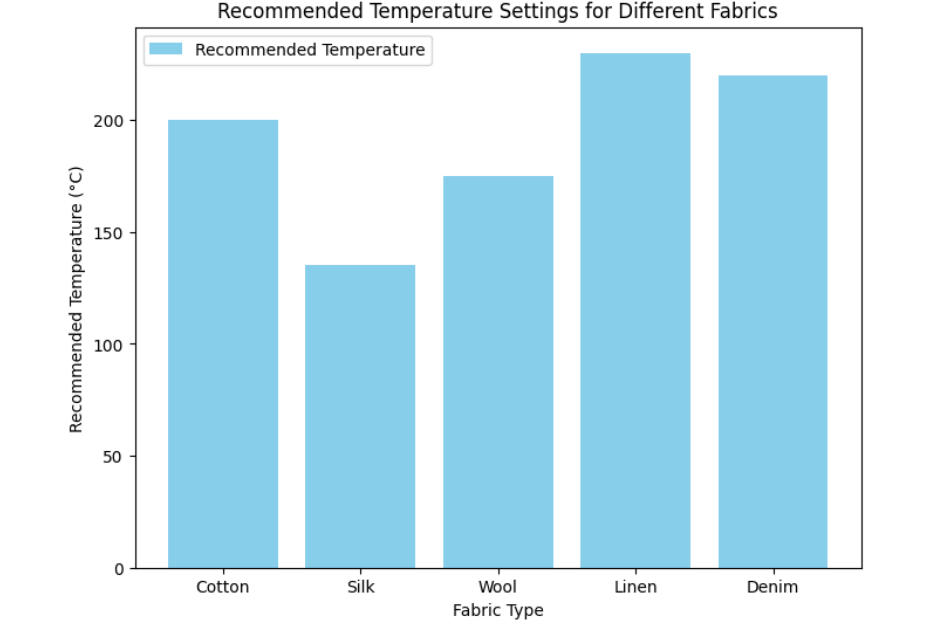
Using the wrong temperature setting is one of the most common ironing mistakes. High heat can burn delicate fabrics like silk or wool, while low heat might not remove wrinkles from heavier fabrics like cotton or linen. Always check the care labels on your clothes and adjust the temperature accordingly. Start with a lower setting for delicate fabrics and gradually increase the heat as needed for more durable materials.
Ironing directly over buttons, zippers, or other embellishments can cause damage to both the fabric and your iron. The heat can melt plastic buttons or distort the shape of metal zippers. To avoid this, iron around these areas or use a pressing cloth to shield them from direct contact with the soleplate.
Over-ironing is another common mistake that can result in shiny spots on your clothes. This usually happens when the iron is left in one spot for too long or when the temperature is too high. To avoid this, always move the iron in long, even strokes, and don’t let it linger on one spot for too long. If you notice any shine, try ironing the fabric inside out or using a pressing cloth to protect the surface.
Mistake | Cause | Solution |
Using the Wrong Temperature | Incorrect heat for fabric type | Always check fabric care labels and adjust iron heat accordingly |
Ironing Over Buttons/Zippers | Risk of damage to iron/garment | Iron around buttons and zippers, or use a pressing cloth |
Over-ironing/Shiny Fabric | Excess heat or pressure | Avoid over-ironing by using the appropriate temperature and steam |
Ironing Stains Into Fabric | Stains not pre-treated | Always check and treat stains before ironing |
Ironing collars and cuffs can be tricky, especially when they are reinforced with extra layers of fabric. To achieve a sharp and crisp finish, start by ironing the underside of the collar or cuff. Once that’s done, flip it over and iron the top side. Use the tip of the iron to carefully press the corners and creases, ensuring they are smooth and well-defined. For an even sharper finish, you can also steam the collar or cuff to relax the fabric.
When ironing pleats, it’s essential to work in the direction of the pleat to avoid flattening the fabric. Ironing against the pleat’s natural fold can cause it to lose its shape. For hems, start by folding the fabric and press along the fold line. This ensures a clean, crisp look and prevents the hem from becoming uneven. Remember to always use steam for a more defined crease.
Iron pockets from the inside to prevent them from puckering or losing their shape. The pocket’s fabric can shift when ironing from the outside, creating unwanted folds. Focus on ironing along the edges of seams, making sure to smooth out any wrinkles or creases. Pressing each seam with precision will help maintain the garment’s shape and ensure an even finish.
For efficient ironing, it’s important to have a well-organized and comfortable ironing station. Make sure the ironing board is at an appropriate height to avoid back strain. Ensure the board is stable, and keep the iron cord free from obstructions to make the process smoother.
A clutter-free ironing space ensures a smoother ironing experience. Clear the area of unnecessary items, providing ample space for larger garments like shirts and trousers. This helps you work efficiently without distractions or interruptions.
After ironing, hang or fold your clothes immediately to prevent them from developing new wrinkles. Use padded hangers for delicate garments to maintain their shape, and keep the clothes in a well-ventilated area to allow them to cool and set properly.
Ironing is more than just a chore—it’s an essential skill for keeping your clothes looking polished and fresh. By following these five ironing tips, you can save time, avoid common mistakes, and achieve a wrinkle-free, professional look every time. Choosing the right iron, preparing your clothes properly, and using the correct techniques for different fabrics will make a noticeable difference in your results. With a bit of practice, ironing will become a quick and efficient task that ensures your wardrobe always looks its best. For an even smoother experience, consider using products from Ningbo Lingqiu Electric Appliance Co., Ltd., known for their efficient and user-friendly steam irons.
A: To use a steam iron effectively, adjust the temperature based on fabric type. Use steam for stubborn wrinkles, especially in thicker fabrics like cotton or linen.
A: Yes, a steam iron can be used on delicate fabrics like silk, but always use a low heat setting and avoid direct steam application to prevent damage.
A: A steam iron provides quicker wrinkle removal, especially on tough wrinkles, and is gentler on fabrics, offering a smoother, more polished finish.
A: Regularly clean the soleplate, empty the water tank after use, and activate the self-cleaning feature to prevent mineral build-up and ensure consistent steam production.
A: While a steam iron is versatile, always check fabric care labels. Use low heat and minimal steam for delicate materials like silk, and higher heat for tougher fabrics like cotton.


